 Spring classic
Cherry blossom
Late March to early April
- Where
- Sumida River
- Course
- Moored near Skytree
- Book
- Early
Guides
Language
EnglishCurrency
US dollar · $Prices on GetYourGuide appear in your chosen currency.
Guide · Best time
Yakatabune fireworks nights and cherry blossom evenings are the famous dates, but every season on Tokyo's water has its own draw. Here is what each one brings, when typhoons interfere and what to expect in each month.
Editorial team, yakatabunedinnercruise.comUpdated October 22, 20266-minute read44 sources
Quick answer
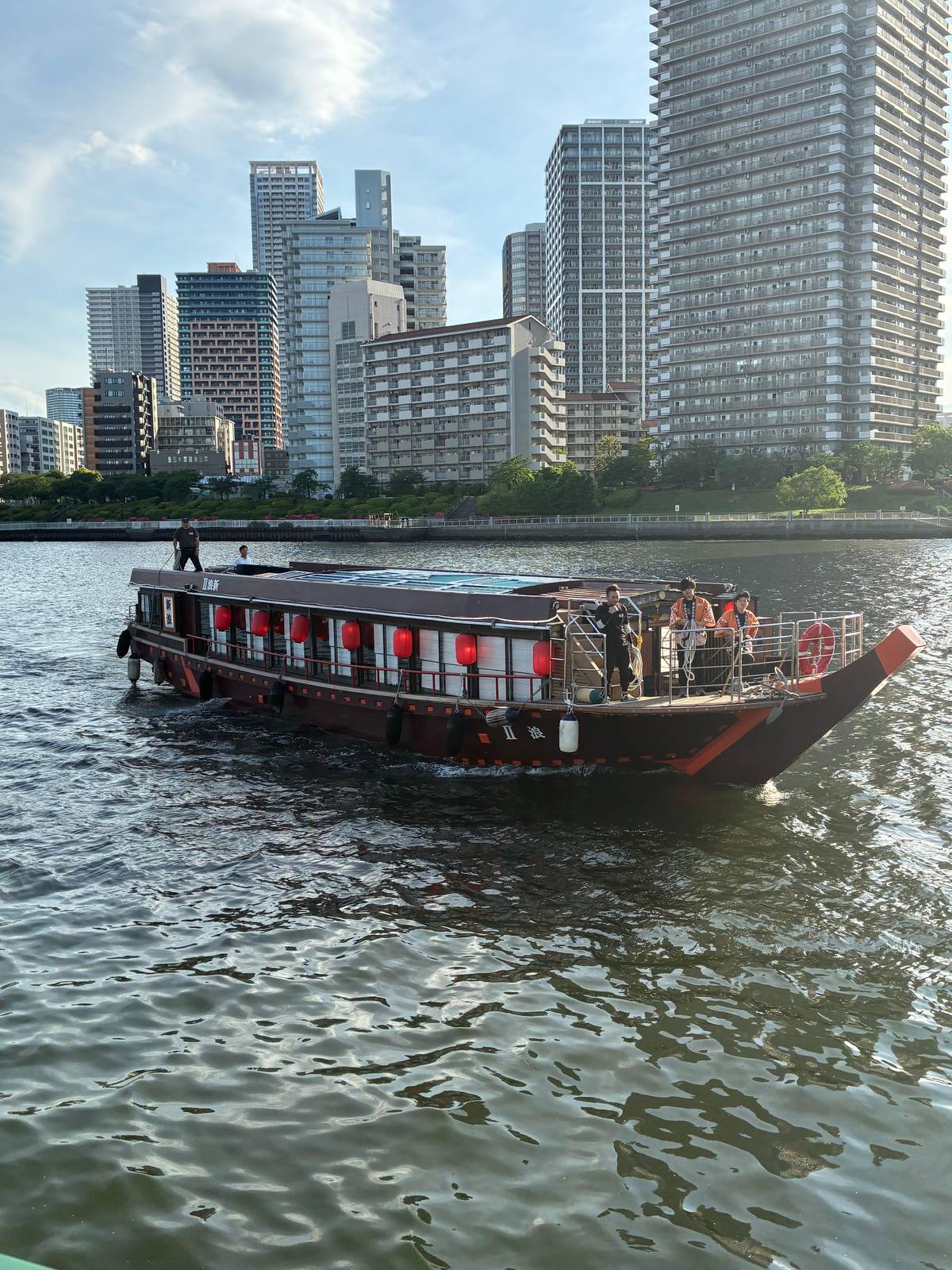
The yakatabune has always followed the calendar. Japan Up Close describes Edo-period lords and merchants using the boats for cherry blossom viewing, moon gazing and fireworks, and Harumiya, a Tokyo operator founded in 1901, traces the same seasonal pleasures back to its own trade.678 Tokyo Updates puts it in modern terms: breezes and fireworks in the hot summer, cherry blossom along the riverbanks in spring, and city lights on reliably clear winter evenings.4
That means there is no wrong month, only different evenings. The cruise this site sells runs down the Sumida to Tokyo Bay and back for 2.5 hours, and the season changes what you see on the way: blossom on the banks, a summer sunset, or a crisp night skyline.
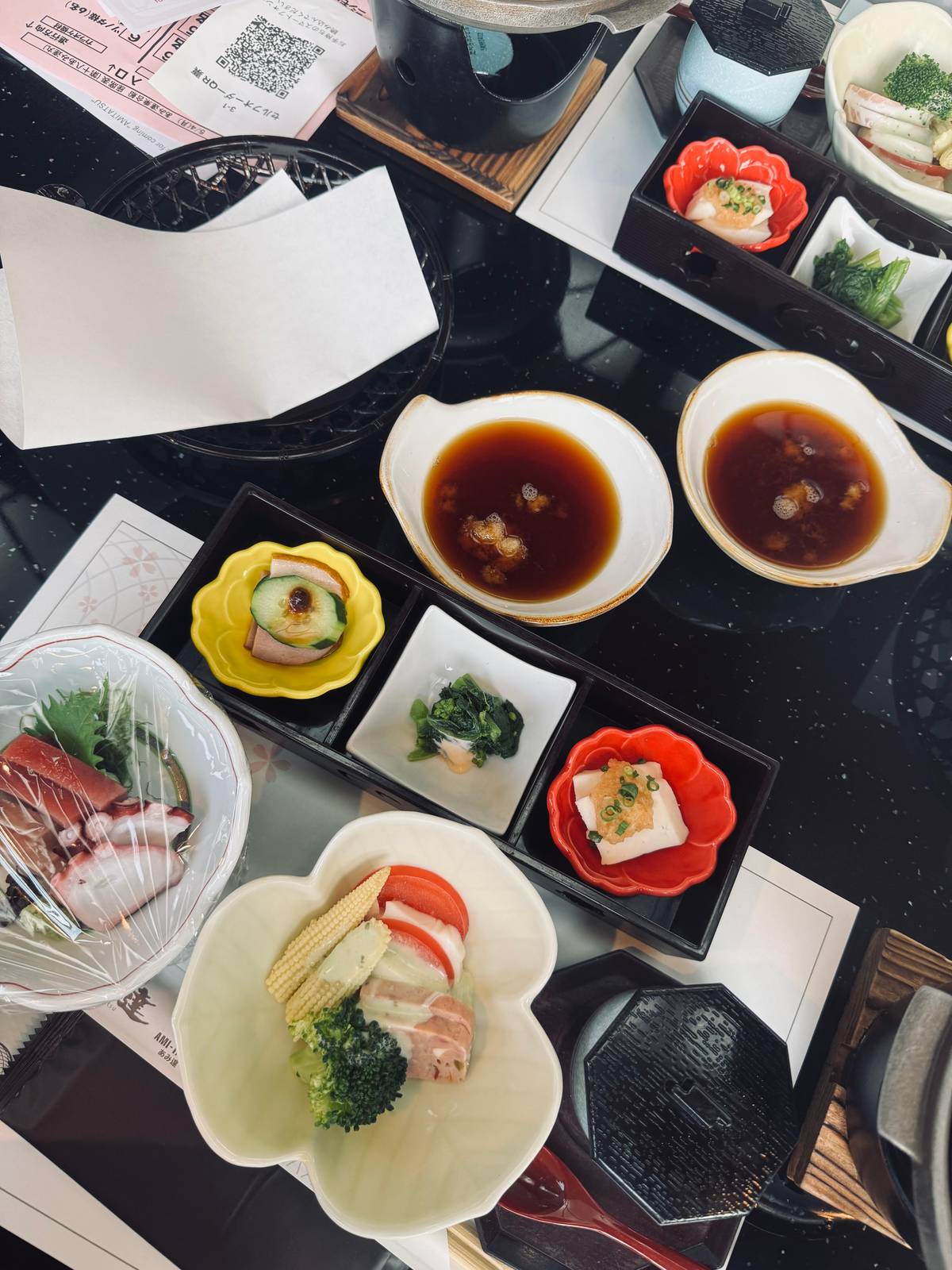
What does change by season is the menu, the weather and the crowds. Amitatsu adds a hot sukiyaki pot to its course in winter and a grilled steak in summer.9 Typhoons are a late-summer and autumn risk, and the famous festival nights are booked far ahead.
The year on the water
Late Mar to early Apr
Shared blossom course on the Sumida.1
25 July 2026
Two launch sites, 7:00 to 8:30 pm.2
August to October
September peaks at 1.2 approaches.3
October 2026
Scheduled as its first edition since 2015.10
December
Dozens of boats gather on the bay.5
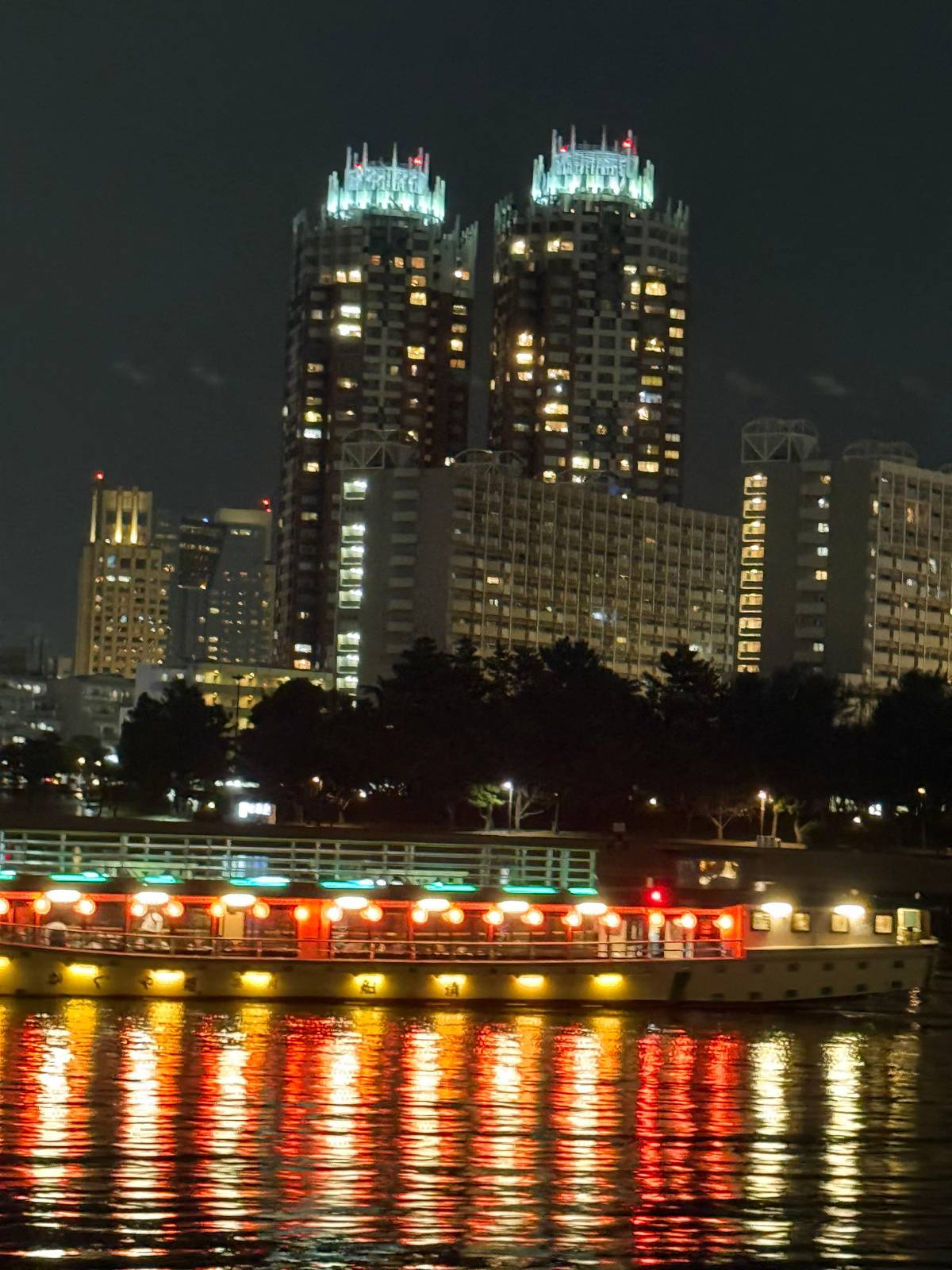
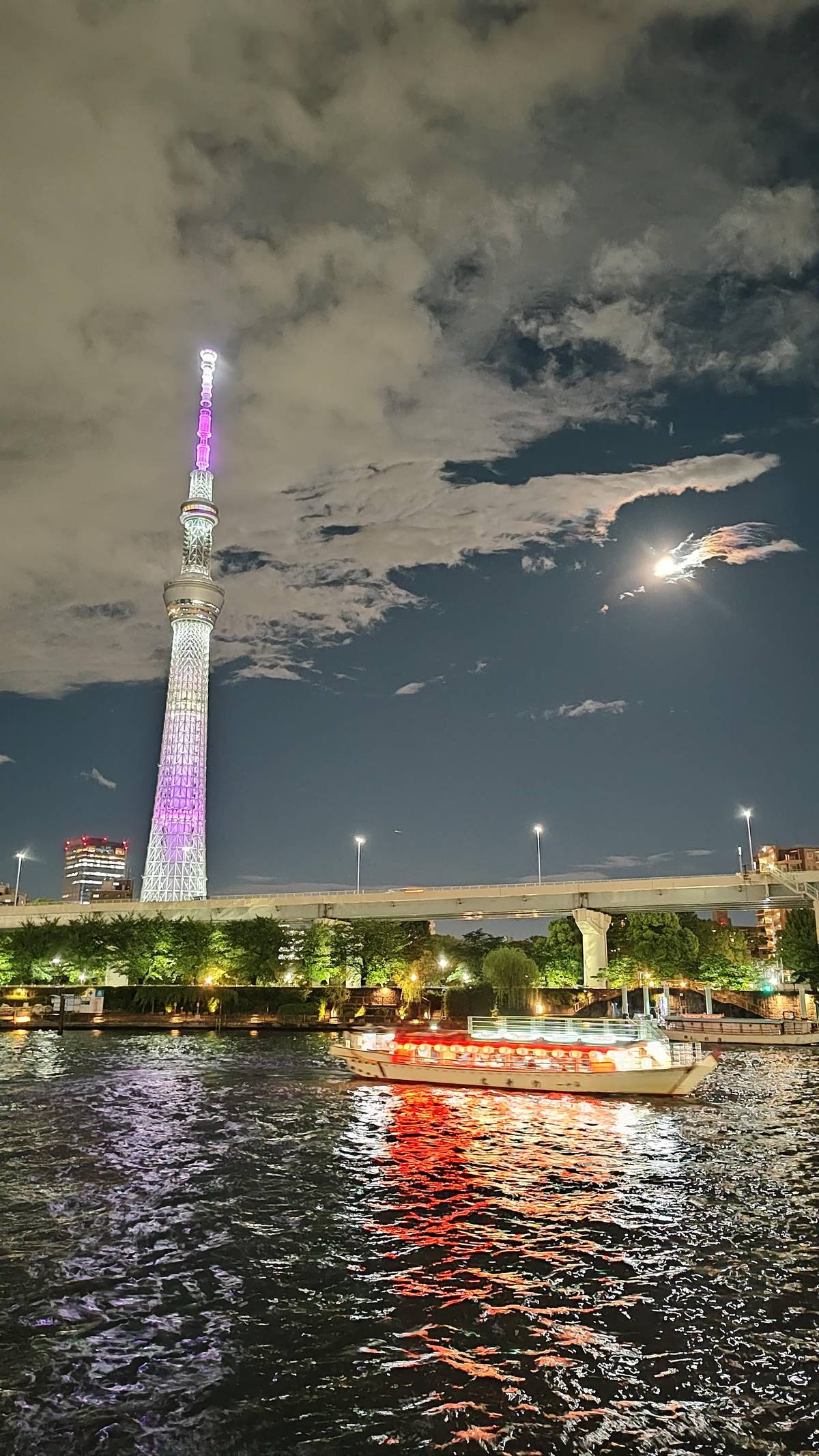
Spring is the classic season. Amitatsu runs a special shared cherry blossom course on the Sumida River from late March to early April each year, with the exact dates moving with the blossom, and during that time its shared boats use Harumi pier instead of Azumabashi.111
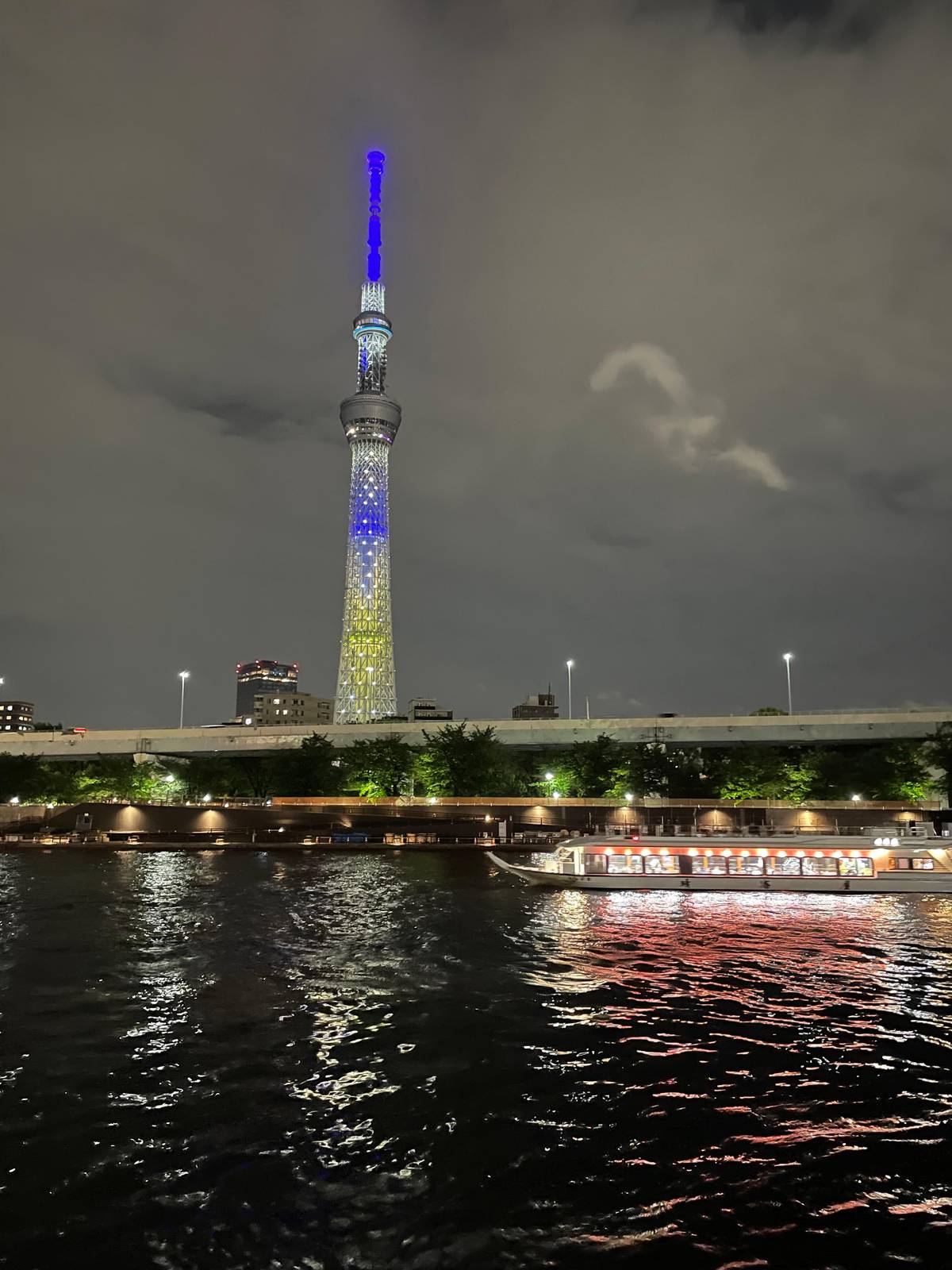
The blossom course is slower than the usual route. On Amitatsu's model course from Azumabashi, the boat goes down the river about 20 minutes to Eitai Bridge, back up about 30 minutes, then moors near Skytree for about 1 hour 30 minutes of blossom viewing, with the sky deck open in good weather.12 It is a long pause under the trees rather than a tour of the bay.
For a short blossom trip, there is a cherry blossom dinner cruise in Tokyo on GetYourGuide from Etchujima: 100 minutes with sukiyaki or Japanese sweets, a tea ceremony, a live shamisen performance and an open-air deck. It has 100 reviews and a 4.66 rating, and free cancellation up to 24 hours before.
Month by month
Climate table
| Month | Daylight (h) | Darkness (h) | High / low | Wet days | On the water |
|---|---|---|---|---|---|
| Jan | 10 | 14 | 10 / 1 °C | 5 | Clear winter nights |
| Feb | 10.9 | 13.1 | 11 / 2 °C | 5 | Clear winter nights |
| Mar | 11.9 | 12.1 | 14 / 5 °C | 9 | Blossom from late March |
| Apr | 13.1 | 10.9 | 19 / 10 °C | 10 | Blossom to early April |
| May | 14 | 10 | 24 / 15 °C | 10 | Spring evenings |
| Jun | 14.6 | 9.4 | 26 / 19 °C | 12 | Typhoons possible |
| Jul | 14.4 | 9.6 | 30 / 22 °C | 11 | Sumida fireworks |
| Aug | 13.6 | 10.4 | 31 / 24 °C | 8 | Typhoons possible |
| Sep | 12.5 | 11.5 | 28 / 20 °C | 11 | Most typhoon approaches |
| Oct | 11.3 | 12.7 | 22 / 15 °C | 11 | Typhoons possible |
| Nov | 10.3 | 13.7 | 17 / 9 °C | 7 | Autumn evenings |
| Dec | 9.8 | 14.2 | 12 / 4 °C | 5 | Odaiba fireworks |
Highs and lows are mean daily values and rainy days count from 1 mm, all official Japan Meteorological Agency normals for central Tokyo over 1991 to 2020; day length at mid-month we work out from the latitude.14 Season according to Tokyo Metropolitan Government.4
Pick a season
Decision helper
Match the season to what you want
Blossom courses run then on the Sumida River.1
Fireworks boats sail for about 6 hours on festival nights.13
About 5 days of 1 mm or more in each month.14
Approaches to Kanto cluster in those months.3
May averages a high of 23.6 °C in central Tokyo.14
Guests can enjoy yakatabune throughout the changing seasons, catching breezes and watching fireworks in Japan's hot summer, observing cherry blossom along the riverbanks in spring, and taking in the city lights on reliably clear winter evenings.
The Sumida River Fireworks Festival is the big summer night. In 2026 it was the 49th edition, held on Saturday 25 July from 7:00 pm to 8:30 pm; in bad weather it is cancelled rather than postponed, with the decision made at 8:00 am on the day.2 Its roots go back to 1733, when restaurants around Ryogoku Bridge launched fireworks with official permission after a festival for the victims of the 1732 famine.15
There are two launch sites. In 2026 the first, between Sakurabashi and Kototoi Bridge, fired 9,507 shots, and the second, between Komagata Bridge and Umaya Bridge, fired 10,650.16 The fireworks were known as Ryogoku no Kawabiraki and launched above Ryogoku Bridge until 1961, and returned in 1978 under their current name.17
Watching from the water is regulated. The festival's official site says a boat needs an official flag to watch from the designated area, and that without one it may not anchor or moor to watch, even outside the restricted water.18 Amitatsu's fireworks boats leave early to secure a spot and sail about 6 hours, more than twice a normal cruise; charters need 40 guests, while shared seats can be booked from 2.13
Map
The Sumida River from Asakusa down to Kachidoki, then Tokyo Bay with Rainbow Bridge and the Shinagawa pier, and Yokohama's harbour.
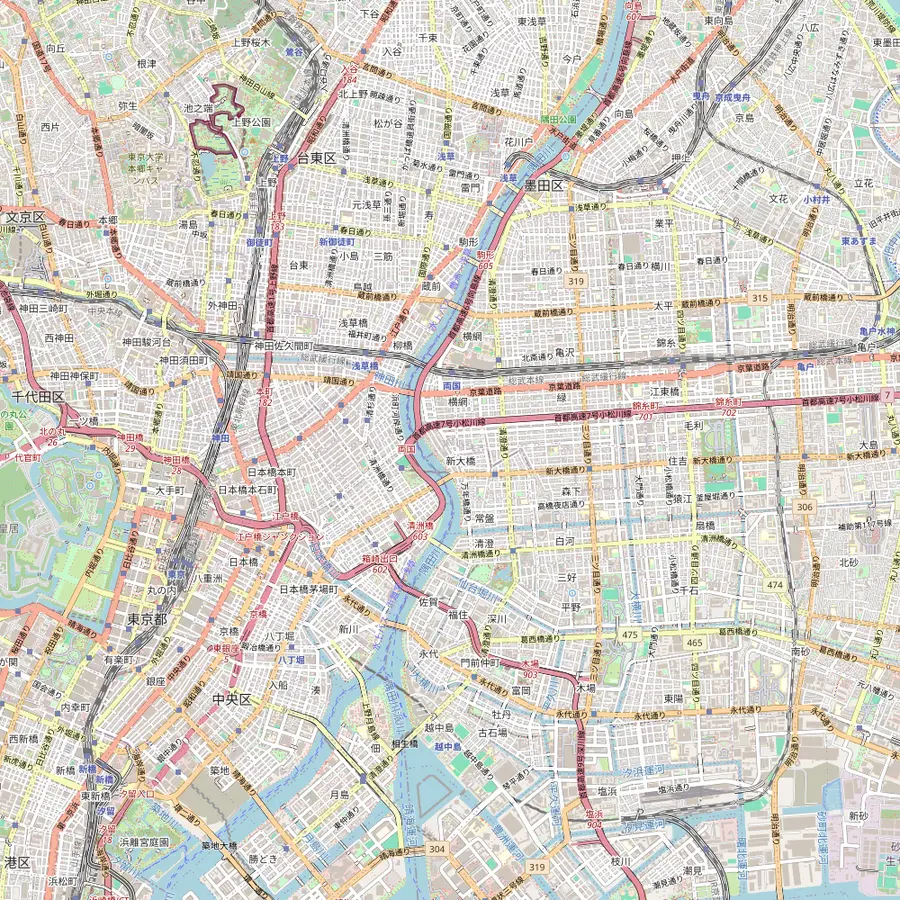 1Azumabashi pier2Tokyo Skytree3Sakurabashi4Ryogoku pier5Kiyosu Bridge6Eitai Bridge7Etchujima pier8Kachidoki Bridge
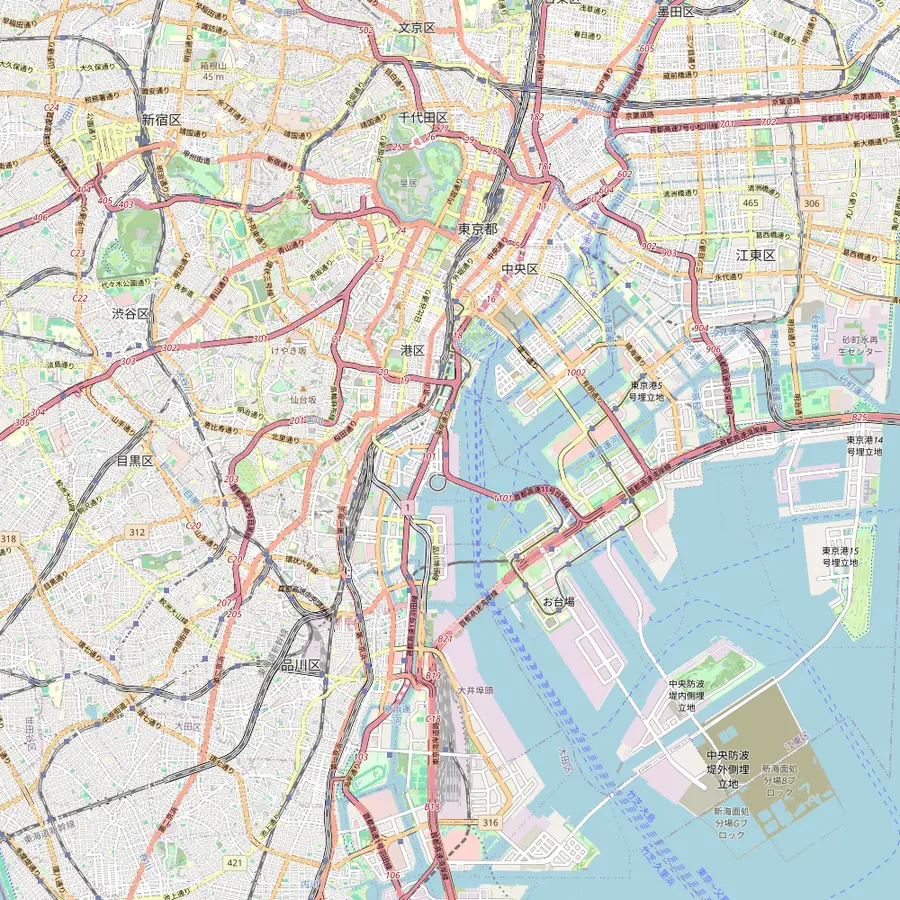 9Rainbow Bridge10Odaiba Seaside Park11Hinode Pier12Tokyo Tower13Funasei pier
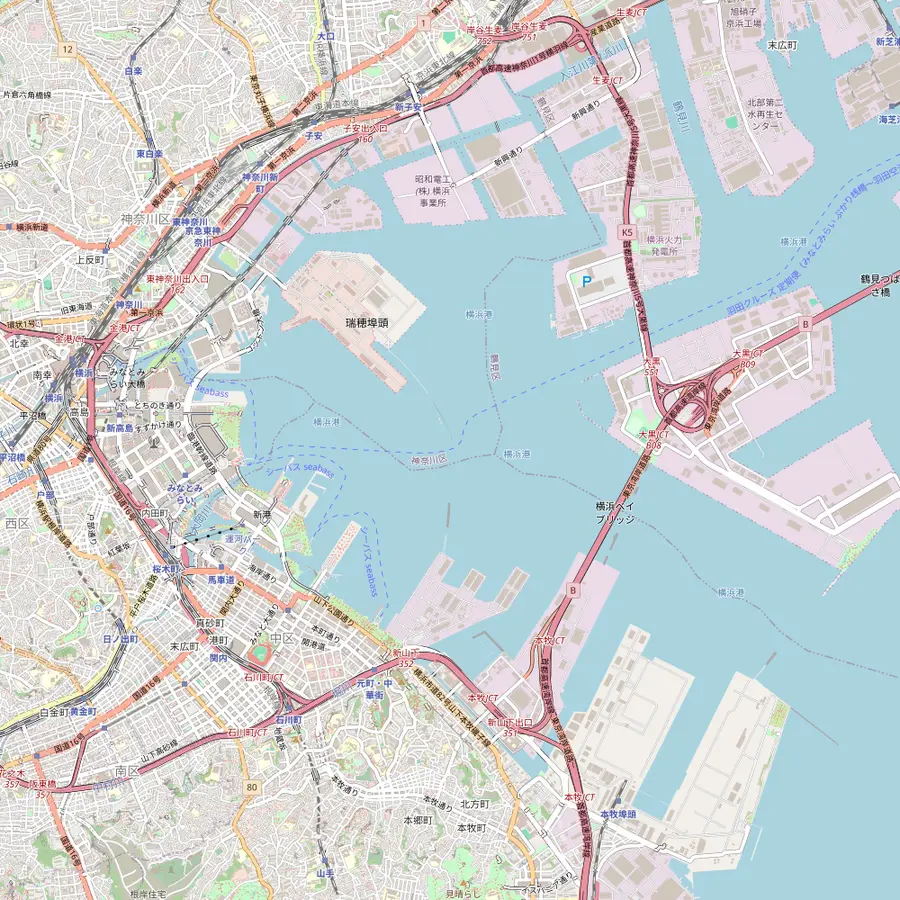 14Yokohama Pukari Pier15Yokohama Bay Bridge
A shared pier at Azumabashi 1-23, about 5 minutes on foot from Asakusa station; the site's cruise boards here.1920
In Google Maps ↗The 634 m tower that boats on the Sumida route stop to look at near Sakurabashi.2122
In Google Maps ↗The footbridge where the first fireworks venue of the Sumida festival begins.16
In Google Maps ↗Beside the Ryogoku Kokugikan sumo arena, about 3 minutes from the west exit of JR Ryogoku station.2324
In Google Maps ↗Built in the mid-1920s and modelled on a German suspension bridge.2526
In Google Maps ↗First built of timber in the late 1600s; the present bridge dates from the mid-1920s.2625
In Google Maps ↗A shared pier about 3 minutes from exit 1 of Etchujima station on the JR Keiyo line.27
In Google Maps ↗The movable bridge completed in 1940, an Important Cultural Property.28
In Google Maps ↗798 m long and lit from about 30 minutes after sunset until midnight.2930
In Google Maps ↗Where many yakatabune gather after dark, off the artificial island of Odaiba.3132
In Google Maps ↗The pier of the big restaurant ships, 1 minute from Hinode station on the Yurikamome.3334
In Google Maps ↗The 333 m tower seen from the bay side of most routes.3536
In Google Maps ↗The Shinagawa pier at 1-16-8 Kitashinagawa, about 10 minutes from Kita-Shinagawa station.37
In Google Maps ↗Where a Yokohama shared yakatabune boards for a 2-hour cruise.38
In Google Maps ↗Seen lit at night from the boats in the Port of Yokohama.39
In Google Maps ↗Checklist
Video
Nothing is loaded from YouTube until you press play on the video.
Tokyo Bay has its own fireworks. Chuo City scheduled the return of the Tokyo Bay Grand Fireworks Festival, paused after 2015, for Saturday 24 October 2026, to be cancelled in bad weather with no postponement.10 Its last edition before that, in 2015, launched about 12,200 fireworks and drew about 720,000 people.10
In December, Japan Up Close notes, dozens of yakatabune ply the bay at nightfall for the traditional fireworks over Odaiba.5 On the cruise this site sells, the regular route already moors off Odaiba Seaside Park for about 25 minutes, the same water where the boats gather.32
Festival nights are separate products with their own schedule, so the regular listing may not apply on those dates. Amitatsu, for example, announced that its regular shared boat on 24 October 2026 would sail a Sumida River and Skytree course without going to Odaiba, so the bay fireworks could not be seen from it, and sold a separate fireworks plan instead.40
Summer evenings are warm and long. Japan Meteorological Agency normals for central Tokyo give August an average high of 31.3 °C and a low of 23.5 °C, and in summer the dinner cruises set sail just as the sun is setting.1441 Rainbow Bridge's towers are lit cool white from April to October.42
Typhoons are the season's catch. The agency's 1991 to 2020 normals count typhoons approaching the Kanto-Koshin region at 0.2 in June, 0.4 in July, 0.8 in August, 1.2 in September and 0.7 in October, 3.3 a year.3 The cruise this site sells may be cancelled in severe weather such as typhoons, and Harumiya announces typhoon cancellations by the day before.43
Autumn is also the wettest stretch. September and October average 224.9 mm and 234.8 mm of rain, with about 11 days of 1 mm or more in each.14 If you have a choice of dates, keep a spare evening in your plans, and book the cruise with the longest free cancellation window you can.
Winter is the quiet season, and an underrated one. Tokyo Updates speaks of city lights on reliably clear winter evenings, and the normals for central Tokyo give December and January about 5 rainy days each.414 Cold, dry air makes the skyline sharp from the deck.
It is cold on the water, though. January averages a high of 9.8 °C and a low of 1.2 °C, so bring a warm coat for the deck stops.14 The days are short: by our calculation central Tokyo has about 9.8 hours of daylight at mid-December, so an evening cruise is dark from the start.14
The menu warms up too: Amitatsu adds a hot sukiyaki pot to its course in winter.9 Rainbow Bridge's towers switch to warm white from November to March, a softer light for photos from the roof deck than the cool white of summer.42
Seasonal evenings follow different rules from the regular cruise. Tokyo Updates notes that reservations are generally required for yakatabune, and on festival nights booking early matters even more.44 Amitatsu sells its fireworks boats separately from its regular shared cruise, with a longer time on the water.13
For cherry blossom, timing is the gamble. Amitatsu warns that its blossom course follows the flowers, so the dates can move earlier or later from year to year.1 If blossom is the reason for your trip, choose a cruise with free cancellation, such as the Etchujima cherry blossom cruise with its 24-hour window.
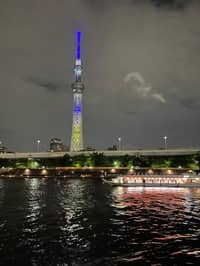
If your dates are fixed and do not match a festival, do not worry. The regular cruise still passes lit bridges, Tokyo Skytree and Rainbow Bridge, and Tokyo Updates notes that guests can generally count on seeing those landmarks on any yakatabune route.36
Your night on the river
Choose a date, board in Asakusa, and cancel free up to 10 days before.
Late March to early April. Amitatsu runs its shared blossom course in that window, depending on the blossom.1
Saturday 25 July 2026. It ran from 7:00 pm to 8:30 pm on the Sumida River and was the festival's 49th edition.2
Only with an official flag. Boats need a flag to watch from the designated area of the river.18
About 6 hours with Amitatsu. Amitatsu's fireworks boats leave early to secure a viewing spot and stay out about that long.13
September. JMA normals give 1.2 typhoon approaches to Kanto-Koshin in September.3
Yes, for clear city lights. Tokyo Updates mentions reliably clear winter evenings; dress warmly.414
Yes, over Odaiba. Japan Up Close says dozens of yakatabune gather on the bay for them.5
Sources
Keep reading