 Full course
Guides
Language
EnglishCurrency
US dollar · $Prices on GetYourGuide appear in your chosen currency.
Guide · Food and drink
Yakatabune dinner cruise menu: tempura, sashimi and free-flow drinks
A yakatabune dinner cruise menu is a Japanese course served at your low table while the boat moves: small dishes, sashimi, tempura fried on board, rice and something sweet, with drinks that keep coming.
Check availabilityfrom $102 · free cancellation possible
Editorial team, yakatabunedinnercruise.comUpdated October 22, 20266-minute read20 sources
What you will eat
A course, not a buffet
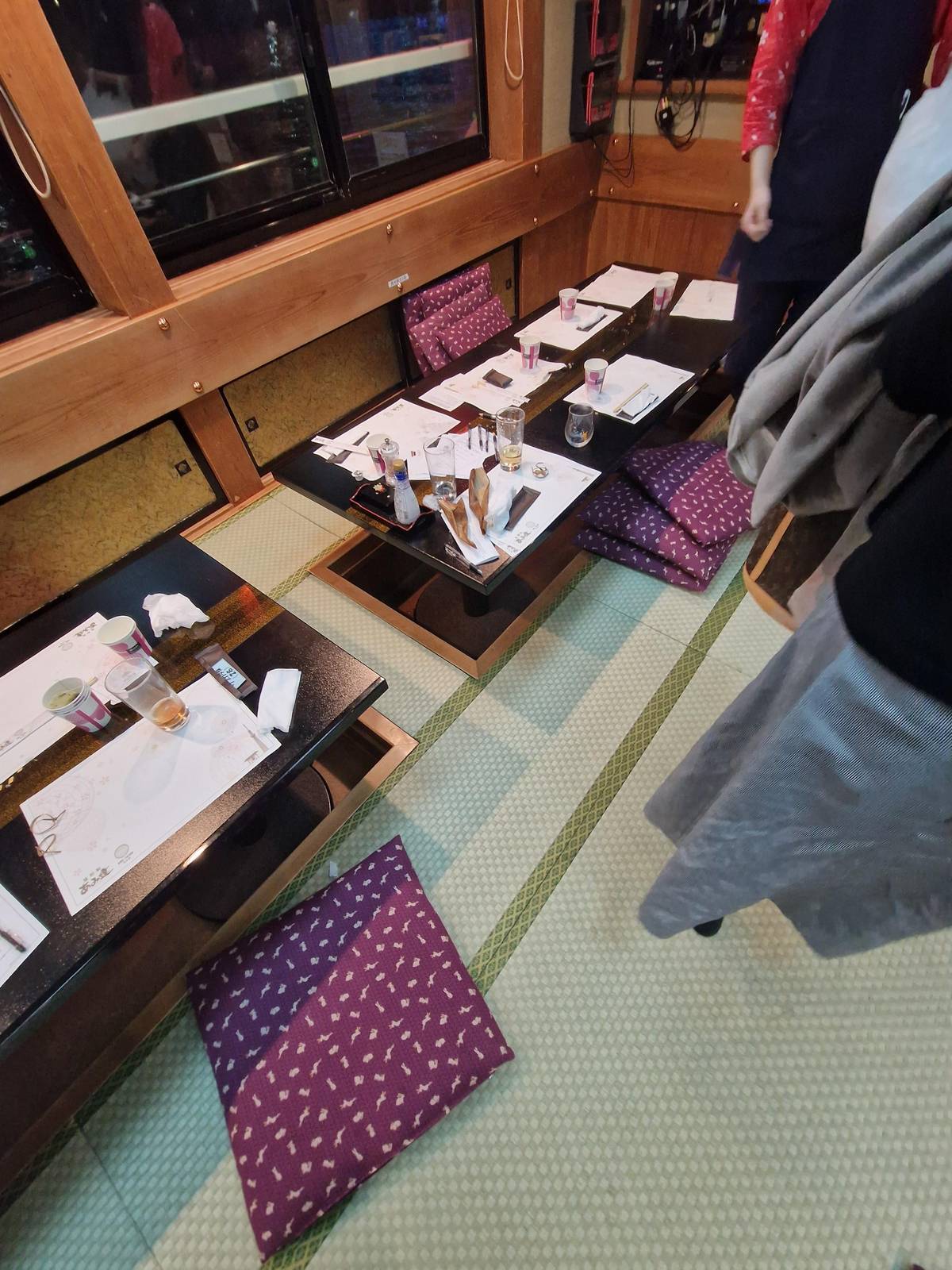
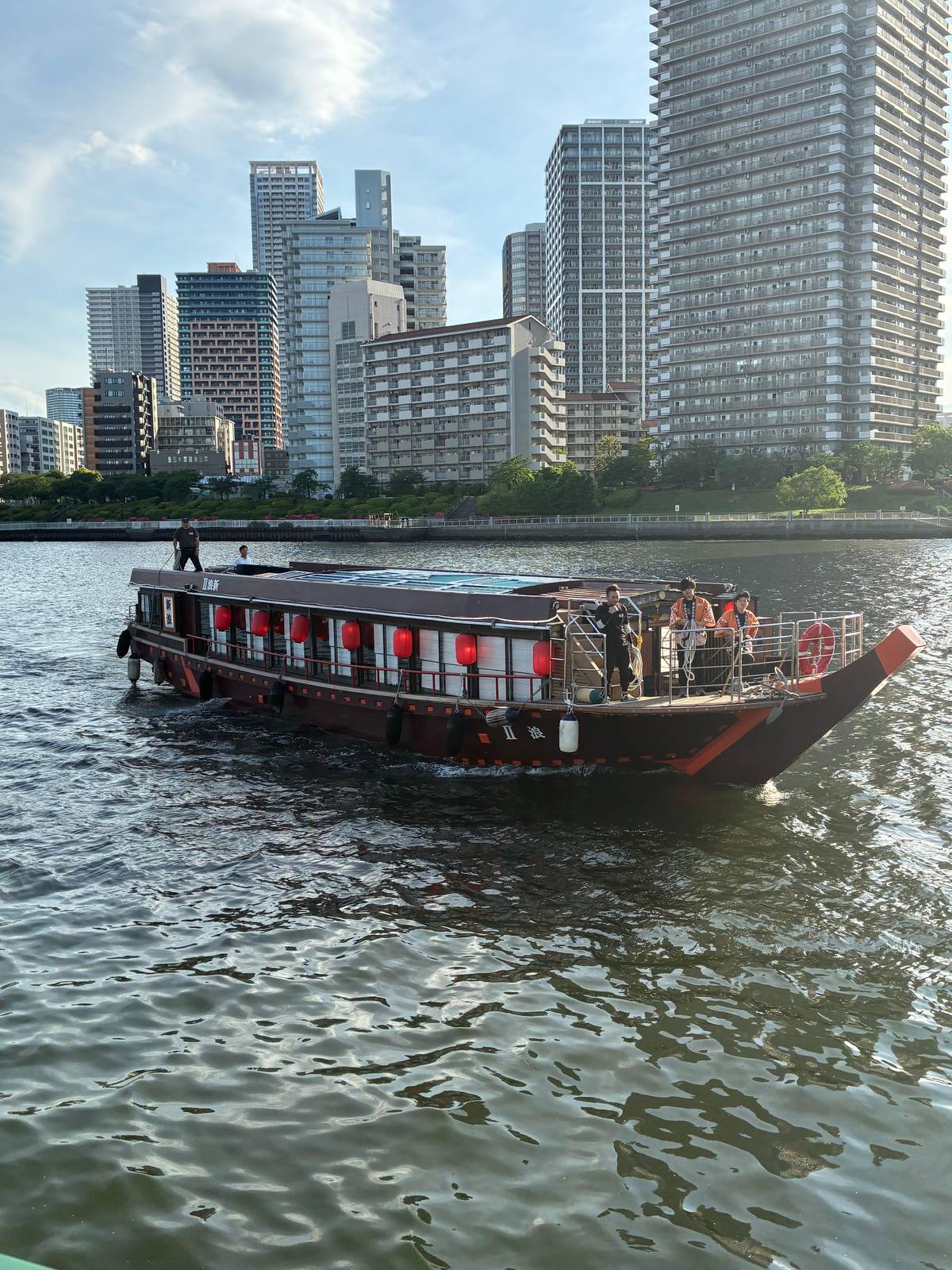
Food on a yakatabune arrives the way it does in a Japanese restaurant, in a sequence of small plates rather than all at once. On the cruise this site sells, the fare includes a full-course Japanese-style dinner of about 14 dishes, together with free-flow drinks and the boat itself. You sit at a low table, the crew brings each course, and the city passes the windows as you eat.
The idea behind the menu is old. The Ministry of Agriculture explains that Edomae cooking grew out of Edo-period food stands, where sushi, tempura and soba made with fish from the bay first appeared.3 Eels, conger eels and shellfish were caught in large quantities in the innermost part of Edo Bay.4 A dinner on the Sumida is a direct descendant: fish, rice, broth and fried food, eaten on the water that once supplied them.
So, are meals included on cruises like this one? On the long dinner cruises, yes. The Asakusa fare covers the dinner and the drinks, and the Shinagawa bay cruise lists a multi-dish Japanese dinner with all-you-can-drink included. On the shorter Etchujima cruises the meal is a sukiyaki pot or Japanese sweets, depending on the option you book.
A sample course
How a yakatabune dinner unfolds
Tempura, the dish everybody waits for
If one dish defines the yakatabune dinner, it is tempura that comes straight from the fryer. Tokyo Updates describes freshly fried tempura, brought piece by piece from the boat's kitchen, as the highlight of a Harumiya dinner, with anago, the conger eel, as a high point.17 Amitatsu, which runs the cruise this site sells, says its course centres on freshly fried tempura and fresh sashimi, with other dishes from seasonal ingredients.8
The style is the Tokyo one. The Ministry of Agriculture notes that Edo tempura coats seafood in batter and fries it in sesame oil until golden, while Kansai cooks traditionally deep-fried fish paste.9 Funasei, the operator of the Shinagawa bay cruise, says it cooks its signature tempura on board as well.6
Eat the tempura as it lands. Fried food goes soft quickly on a humid evening on the river, and the crew brings it in rounds while the boat is moving. Dip lightly, add salt if there is salt on the table, and leave room, because rice, soup and something sweet still follow. If you are unsure what a piece is, ask; the crew is used to curious guests.
Menus side by side
What the operators list for dinner
| Operator | Cold dishes | Hot dishes | To finish |
|---|---|---|---|
| Amitatsu | Appetisers, sashimi platter | Tempura, seasonal pot | Rice, soup, fruit |
| Funasei | Starters, sashimi on a boat | Tempura cooked on board | Noodles, dessert |
| Harumiya | Sashimi, shabu-shabu salad | Tempura or sukiyaki | Mochi rice cakes |
From each operator's own menu page and Tokyo Updates; dishes change with the season.5261011
Pick a meal
Long course, sukiyaki pot or tea and sweets
Full course One hot pot
 No dinner
Tea ceremony cruise
From Etchujima
- Meal
- Japanese sweets
- Drinks
- Tea, soft drinks
- Price
- from $63
Decision helper
Which meal suits your group?
Choose by appetite and by diet
Sumida River dinner
About 14 dishes with free-flow drinks in the fare.
Sumida River dinner
Meal changes can be requested two days before by message.
Shinagawa bay dinner
A multi-dish dinner with all-you-can-drink included.
A sukiyaki cruise
One hot pot and unlimited soft drinks on a shorter trip.
The tea ceremony cruise
Japanese sweets, tea and soft drinks by day instead.
tempura in Edo is prepared by first coating seafood in a batter before deep-frying it in sesame oil until it is golden brown in color.
Sashimi and the small dishes
Before the fried course comes the cold food. Amitatsu's sample banquet course reads like a classic Japanese menu: one starter, three appetisers, four small dishes, a sashimi platter, freshly fried tempura, a rice dish, a bowl of soup and seasonal fruit.5 It adds that dishes change with the season and with what the market supplies.5
Funasei lists a similar order: appetiser, starters, a small bowl, sashimi served on a boat-shaped platter, tempura, seasonal rice, salad, noodles and dessert, with the menu changing through the year.6 Harumiya's menu described by Tokyo Updates includes sashimi, beef shabu-shabu salad, seasonal vegetables and mochi rice cakes for dessert.10
The pattern is what to expect, not a fixed list. The operator sets the dishes on the day from what the season and the market bring. If you are curious, ask the crew the name of each dish as it arrives; it is part of the fun of a long meal, and a good way to learn what to order later in a Tokyo restaurant.
Checklist
Food and drink before you board
01
Two days before
- Send any diet change by message
- Say how many need a special meal
02
At the table
- Eat tempura while it is hot
- Pace the free-flow drinks
- Keep bags small; no cloakroom on some boats
Cost calculator
Price a meal on the water for your group
Enter how many are eating to compare four cruises.
People
Total from$204
per head from $102
Check availabilityfree cancellationEvery total takes the cheapest GetYourGuide price of that cruise times the number of guests, converted at the ECB's daily rate; the booking page holds the final figure.
Video
Dining while cruising in Tokyo
Nothing is loaded from YouTube until you press play on the video.
Sukiyaki, steak and the seasons
The main dish can change with the calendar. Tokyo Updates reports that on Harumiya's boats the dinner's main dish is tempura or sukiyaki depending on the season.11 Amitatsu adds a hot sukiyaki pot to its course in winter and a steak grilled on a ceramic plate in summer.2
The short Etchujima cruises are built around sukiyaki all year at night. One listing sells a 90-minute night cruise with sukiyaki and unlimited soft drinks, and lets you swap beef for pork or a non-strict vegetarian meal if you ask at least 3 days in advance. The Odaiba-route cruise makes the same offer with the same notice.
A sukiyaki dinner is a different evening from a tempura course: one pot, cooked at the table, and a shorter cruise. If you want the long sequence of small dishes, choose one of the 2.5 to 3 hour dinner cruises instead.
What is in your glass
On the cruise this site sells, drinks are free-flow, alcoholic and not: beer, sake, whiskey, wine, plum wine, tea and soft drinks are all listed. The operator, Amitatsu, states on its own site that drinks are all-you-can-drink and included in the fare.12
Other operators list similar bars. Funasei's drink list runs to beer, shochu, sake, whiskey, wine, umeshu and soft drinks.13 Harumiya's free drinks include beer, sake, whisky, wine, Japanese plum wine, shochu, juice, cola and oolong tea.14 On the shorter Etchujima cruises, the night option includes unlimited soft drinks, with a free-flow alcohol package sold as a summer option.
Two practical notes. Japanese law forbids selling alcohol to anyone under 20, which one of the tea ceremony listings repeats. And check before you bring your own bottle: Harumiya, for one, does not allow food or drinks from outside on its boats.15
Vegetarian, halal and allergy requests
Diet requests need planning, because the kitchen works from a set course. On the cruise this site sells, any dietary or meal change must be requested at least two days before, by message; nothing can be changed on the day, and a handling fee per guest applies. Amitatsu says on its own site that it offers a vegetarian menu when it is booked in advance.16
Amitatsu is also clear about limits: it cannot promise a fully allergen-free menu, because dishes share one kitchen and the same tableware.17 Harumiya can cook vegetarian meals if you give numbers when booking, but cannot prepare halal food.18
The Shinagawa bay cruise is the strict one. Its listing says the dinner cannot be adapted to dietary requirements, although it offers a special meal for children aged 3 to 5. If you or someone in your group has a firm diet, the Asakusa cruise, with its two-day request window, is the safer choice of the long dinners.
Eating well on a moving boat
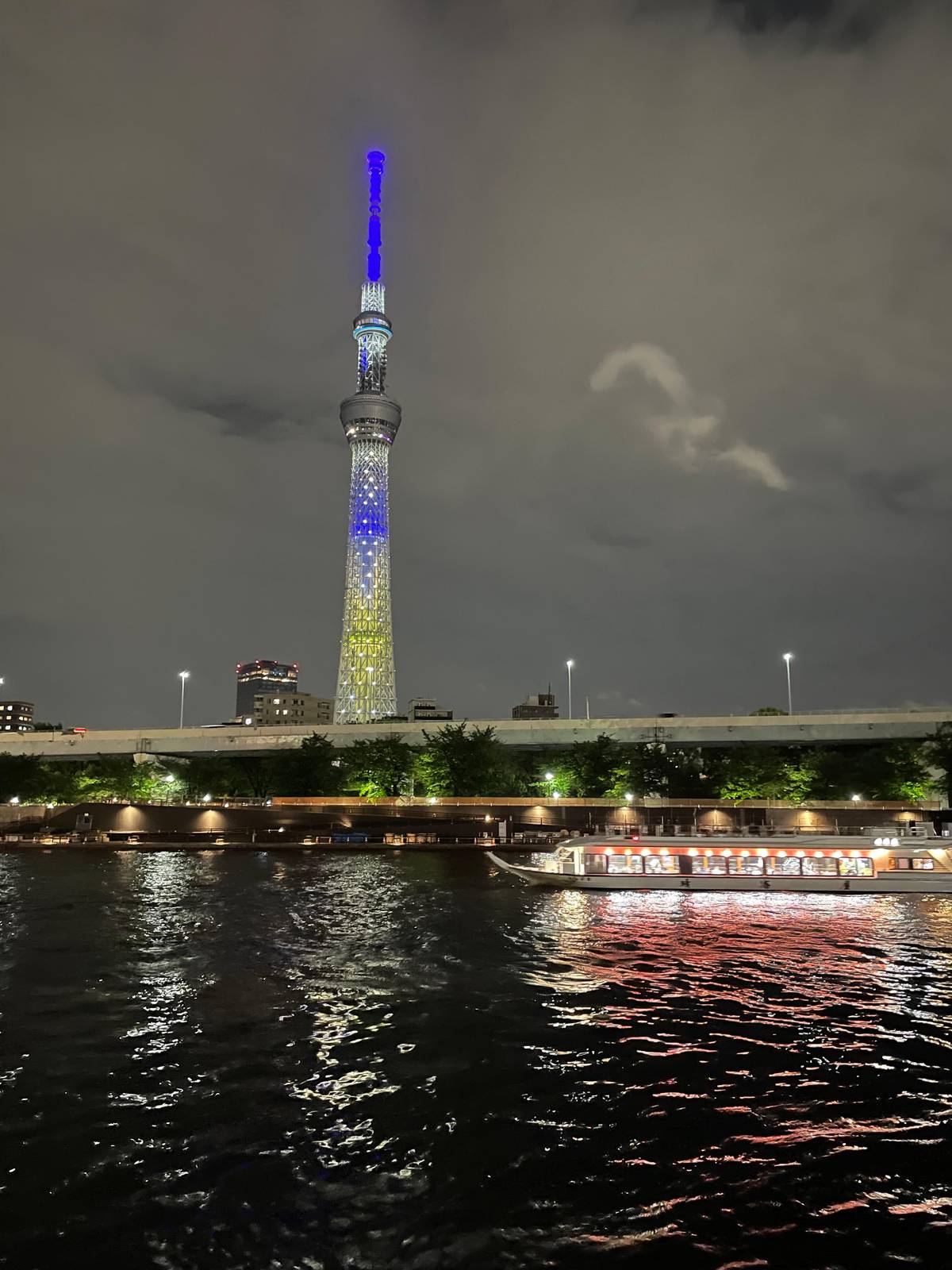
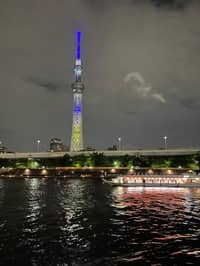
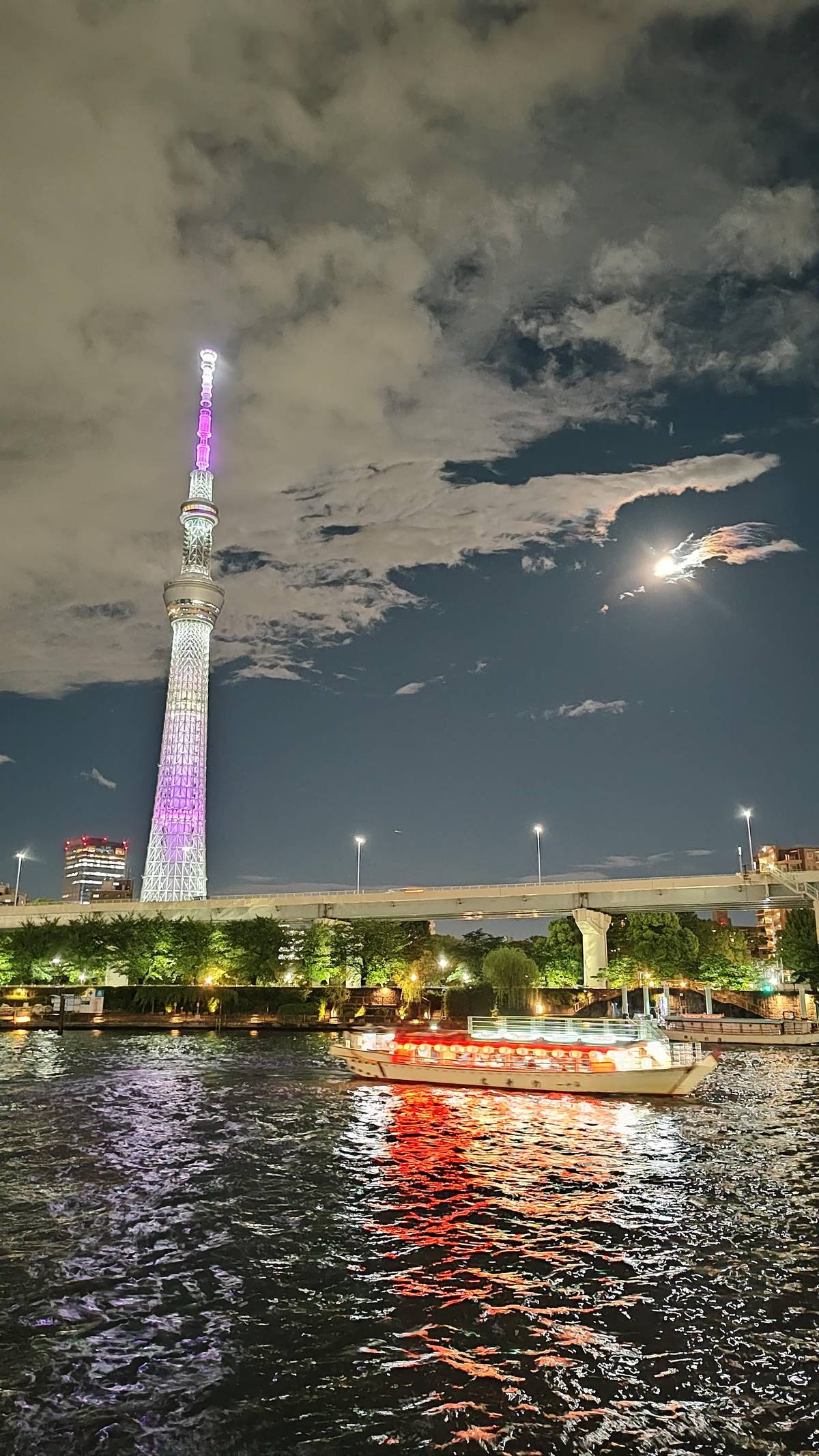
A few habits make the meal better. Eat steadily rather than fast, because the courses arrive across the whole cruise and the deck stops pause the meal. On the cruise this site sells, there are two such stops: one where guests can go up on the roof for the view and photos, and one at Tokyo Skytree.
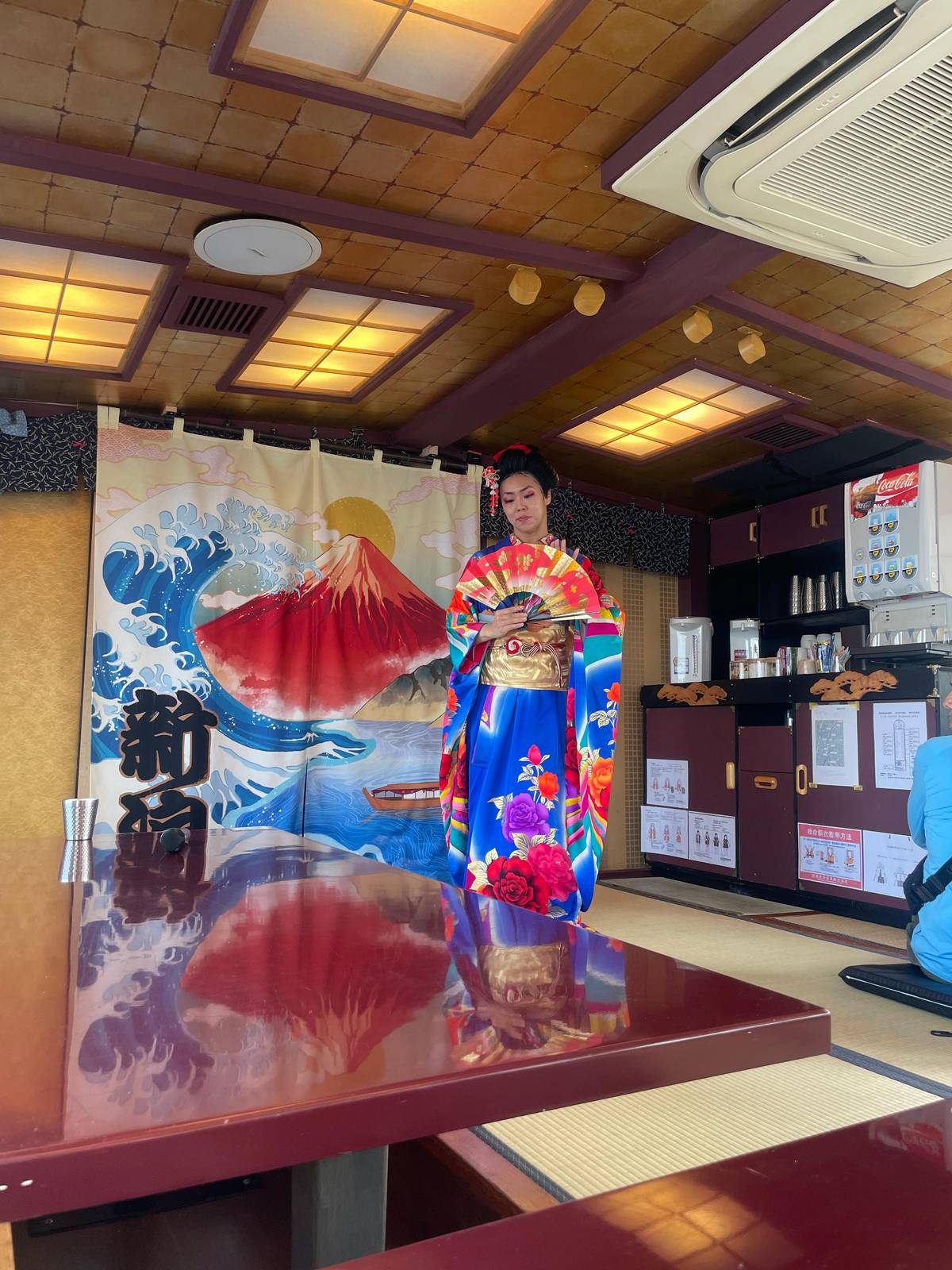
Tables are low and shared. Tokyo Updates describes the classic layout as tatami mats and low tables with sunken floors underneath, so you can stretch your legs.19 Keep bags small and out of the gangway; Harumiya warns there is no cloakroom on its boats.20
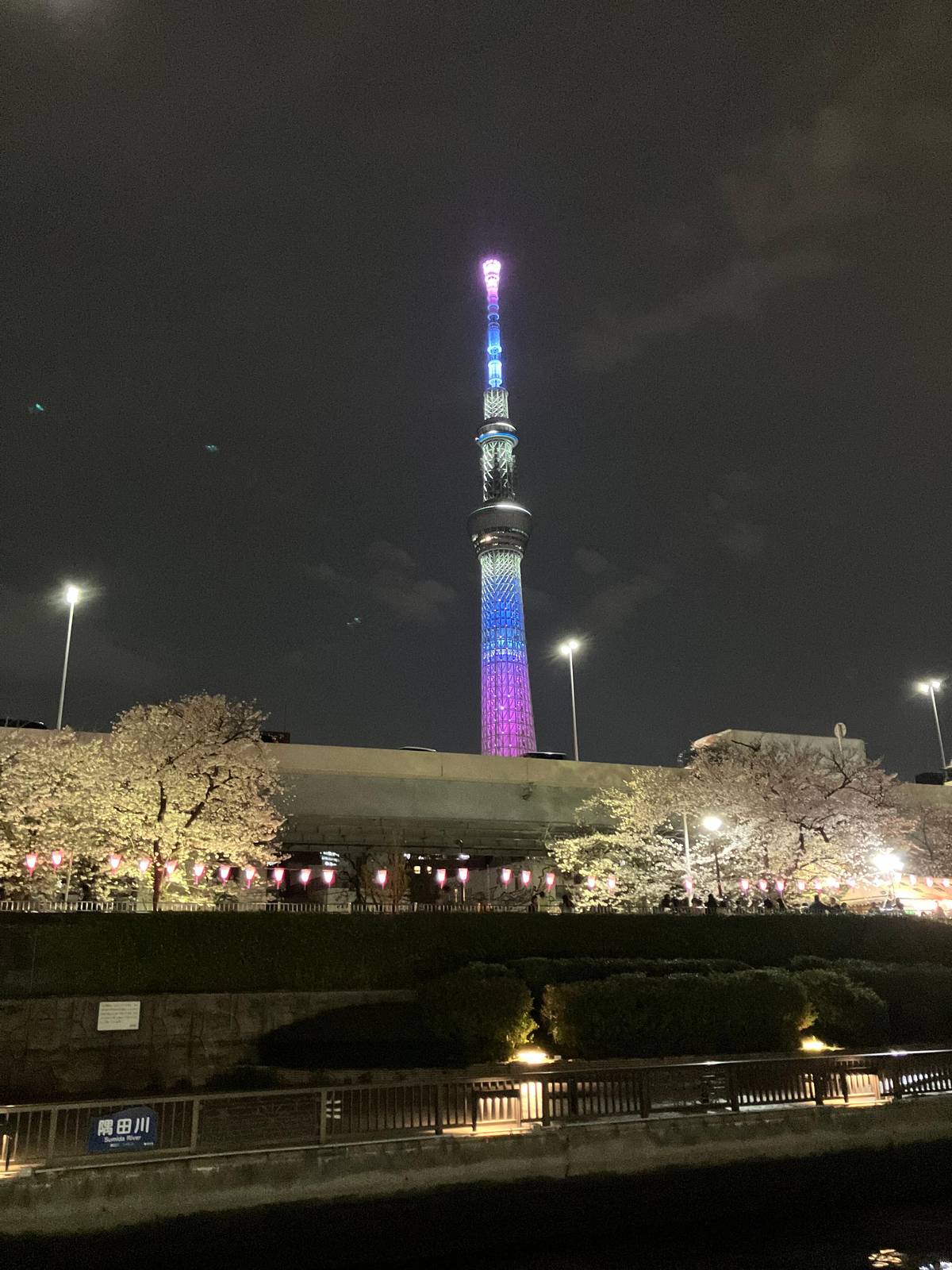
Finally, pace the drinks. Free-flow means the glass will be refilled, and the stop means climbing up to the roof. A clear head makes the climb up, and the photos of Rainbow Bridge and Skytree, a lot easier, and leaves you awake for the river lights on the way back.
Your night on the river
Dinner, drinks and the lights of the Sumida.
Choose a date, board in Asakusa, and cancel free up to 10 days before.


You ask,we answer.
Are meals included on cruises like this?
On the dinner cruises, yes. The Asakusa fare covers about 14 dishes, free-flow drinks and the boat.
Is the tempura really cooked on board?
On the boats described, yes. Tokyo Updates and Funasei both describe tempura fried in the boat's own kitchen.16
Is there a vegetarian option?
Yes, if you ask ahead. Amitatsu offers a vegetarian menu booked in advance; requests must arrive two days before.16
Can I get halal food?
Not on every boat. Harumiya says it cannot prepare halal meals; ask the operator before booking.18
Are the drinks unlimited?
On our cruise, yes. Free-flow alcoholic and non-alcoholic drinks are part of the fare.
Is the menu the same all year?
No. Amitatsu adds sukiyaki in winter and a grilled steak in summer.2
Can children eat on the Shinagawa cruise?
Yes, with a special meal. Children aged 3 to 5 get their own special meal on that cruise, though adults cannot change theirs.
Sources
Evidence for this guide
- 1Tokyo Metropolitan Government (Tokyo Updates)Yakatabune: Enjoying Tokyo's Scenery with Traditional River Cruise↩
- 2Amitatsu (operator)Shared yakatabune (乗合屋形船のご案内)↩
- 3Ministry of Agriculture, Forestry and FisheriesTokyo: regional food culture (Our Regional Cuisines)↩
- 4Ministry of Agriculture, Forestry and FisheriesTokyo: regional food culture (Our Regional Cuisines)↩
- 5Amitatsu (operator)Food (お料理のご紹介)↩
- 6Funasei (operator)Funasei Yakatabune, English information↩
- 7Tokyo Metropolitan Government (Tokyo Updates)Yakatabune: Enjoying Tokyo's Scenery with Traditional River Cruise↩
- 8Amitatsu (operator)Yakatabune AMITATSU, English information↩
- 9Ministry of Agriculture, Forestry and FisheriesTokyo: regional food culture (Our Regional Cuisines)↩
- 10Tokyo Metropolitan Government (Tokyo Updates)Yakatabune: Enjoying Tokyo's Scenery with Traditional River Cruise↩
- 11Tokyo Metropolitan Government (Tokyo Updates)Yakatabune: Enjoying Tokyo's Scenery with Traditional River Cruise↩
- 12Amitatsu (operator)Shared yakatabune (乗合屋形船のご案内)↩
- 13Funasei (operator)Funasei Yakatabune, English information↩
- 14Yakatabune Harumiya (operator)Traditional Japanese-style Cruising Restaurant HARUMIYA↩
- 15Yakatabune Harumiya (operator)Frequently Asked Questions↩
- 16Amitatsu (operator)Yakatabune AMITATSU, English information↩
- 17Amitatsu (operator)Shared yakatabune (乗合屋形船のご案内)↩
- 18Yakatabune Harumiya (operator)Frequently Asked Questions↩
- 19Tokyo Metropolitan Government (Tokyo Updates)Yakatabune: Enjoying Tokyo's Scenery with Traditional River Cruise↩
- 20Yakatabune Harumiya (operator)Frequently Asked Questions↩