 The classic route
Guides
Language
EnglishCurrency
US dollar · $Prices on GetYourGuide appear in your chosen currency.
Guide · Background
Yakatabune boat: from Edo pleasure boats to dinner cruises
A yakatabune boat is a roofed Japanese pleasure boat with a tatami cabin, low tables and a kitchen. Here is where it comes from, how it changed, and what you step into when you board one in Tokyo today.
Check availabilityfrom $102 · free cancellation possible
Editorial team, yakatabunedinnercruise.comUpdated October 22, 20266-minute read39 sources
A house on the water
So what is a yakatabune? In Japanese the word means houseboat, and the name fits: a long, low hull carrying a cabin with a roof, sliding windows and, inside, a room laid out like a reception hall of an old Japanese house.1 Tokyo Updates, the city government's English site, describes yakatabune as traditional Japanese pleasure boats used for sightseeing, dining and entertainment, originating in the Heian period (794-1185).2
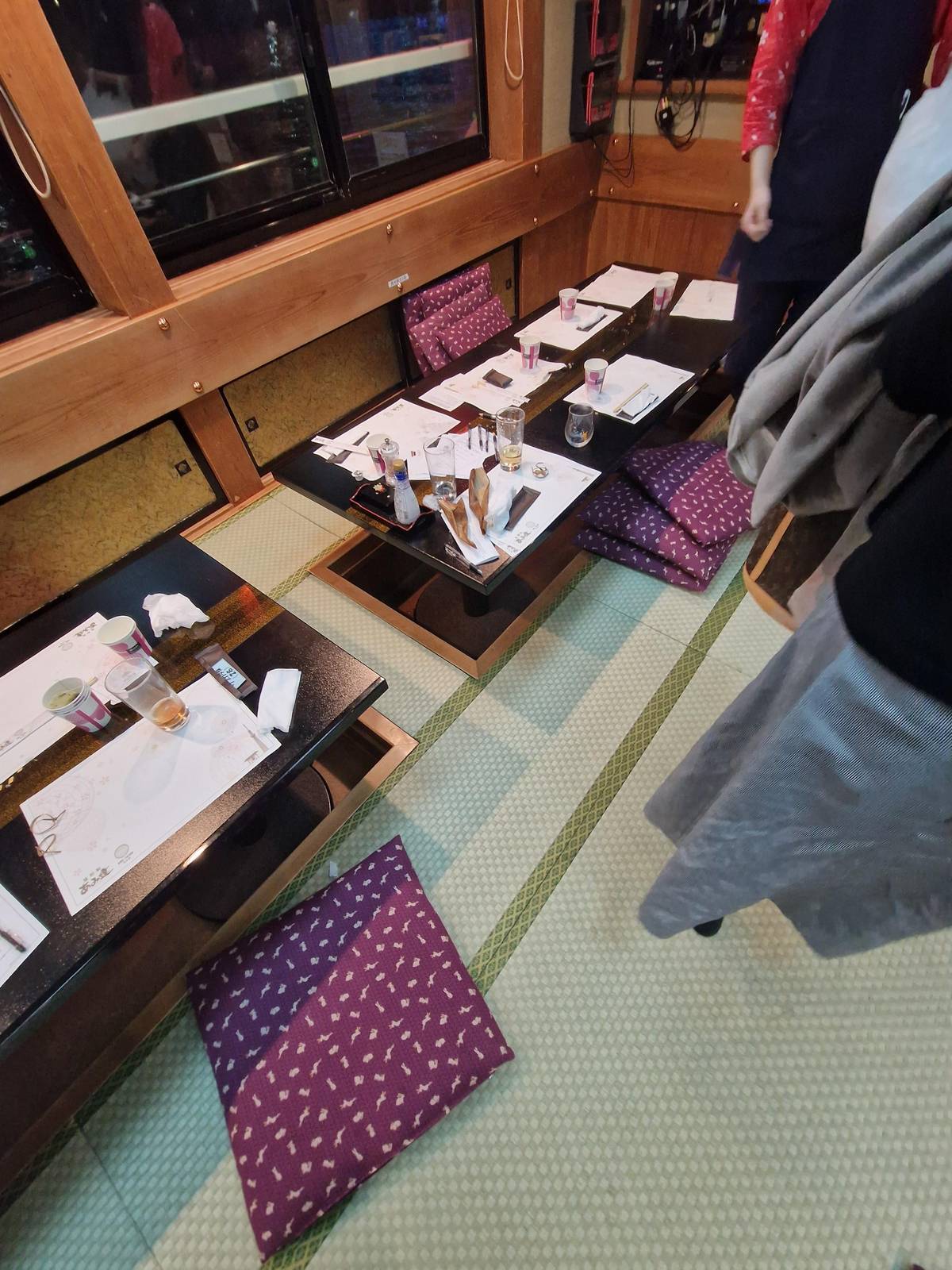
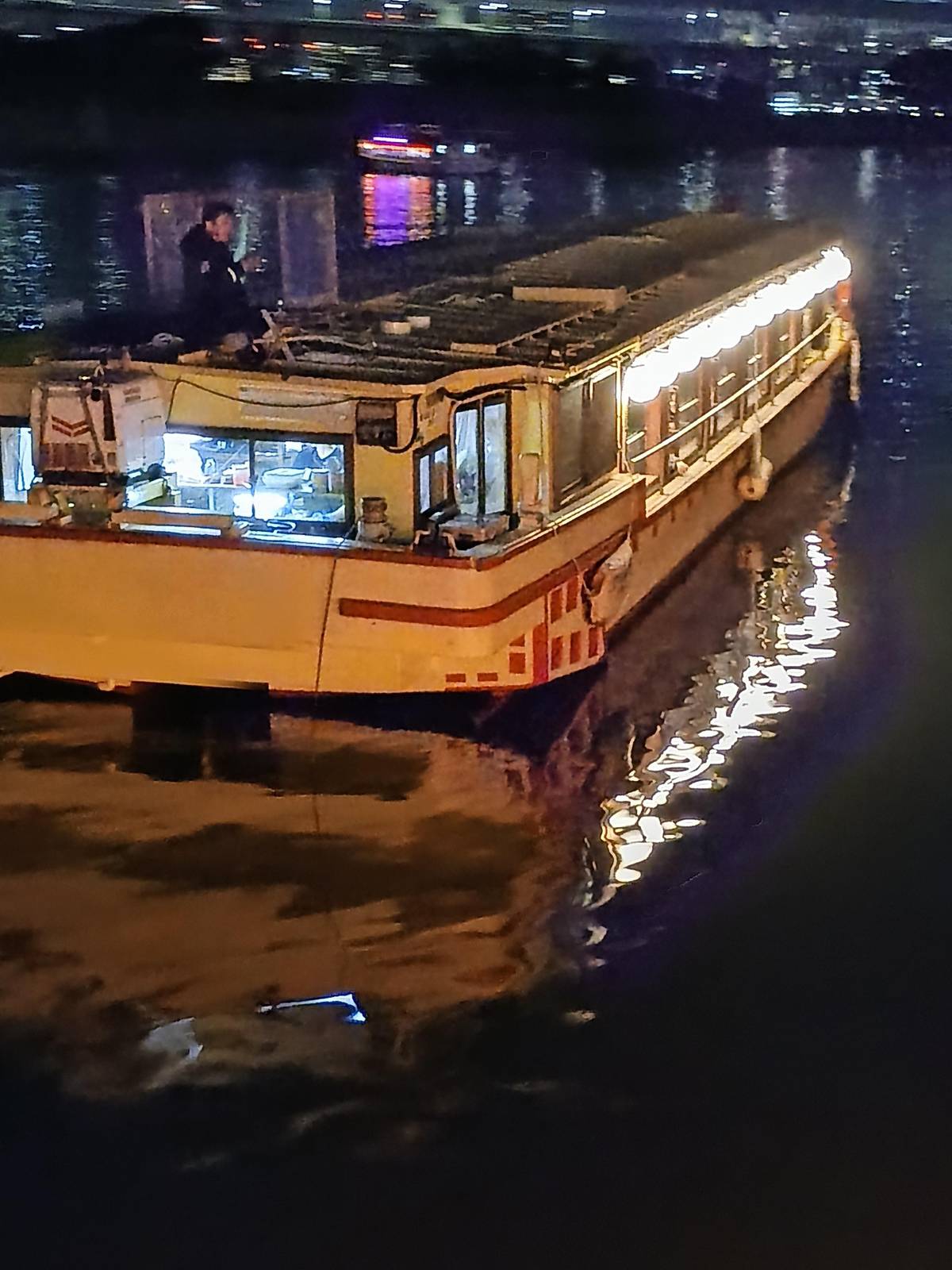
The Government of Japan's Japan Up Close site describes the interiors the same way they look today: a spacious room with tatami flooring and low dining tables, in the style of medieval aristocratic Japanese houses.4 What has changed is mostly outside: operators such as Amitatsu and Harumiya now fit their boats with a roof or sky deck you can climb onto when the boat stops.67
A yakatabune boat is not a ferry and not a cruise ship. You do not travel anywhere in particular; you board, eat and drink while the city slides past, and come back to the same pier. That is why the experience is sold as a dinner, a party or a tea ceremony rather than as a ticket from one place to another.
History
The yakatabune through the centuries
-
794-1185
Heian beginnings
Pleasure boats for sightseeing, dining and fun.2
-
Around 805
Nobles at Arashiyama
Poetry and music on boats on the Oi River.8
-
1603-1868
Edo golden age
Lords and merchants on the Sumida River.3
-
Around 1680
The peak
Then a ban on large boats in 1682.9
-
Late Showa
The revival
Dinner cruises open to everyone.10
-
Today
34 operators
Licensed members of Tokyo's association.5
From Heian nobles to Edo merchants
The roots are courtly. Harumiya, a Tokyo operator founded in 1901, sums up the line its trade traces: yakatabune began in the Heian period as entertainment for the aristocracy and flourished in the Edo period for cherry blossom viewing, moon-viewing parties and fireworks festivals.1112 In Kyoto, the Arashiyama boat company says roofed boats on the Oi River were an aristocratic pastime from around 805, when nobles enjoyed poetry, song and music on board.8
Edo, the old name of Tokyo, gave the boats their golden age. Japan Up Close places it in the Edo period (1603-1868), when improved waterways let feudal lords and wealthy merchants use yakatabune for cherry blossom viewing, moon gazing, fireworks and other entertainment.3 The most lavish ones, mostly on the Sumida River, carried gold, silver and lacquer ornaments.13
The peak came around the Enpo era, around 1680, and use declined after a ban on building large boats in 1682.9 Tokyo Updates adds that through the Edo period the boats kept amusing the wealthy and important, and that only with the advent of modernity did they become available for anyone to enjoy.14
Where they sail
River, bay or Kyoto's quiet water
Decision helper
Which kind of yakatabune evening suits you?
Pick the feature you care about most
A Sumida River cruise
The Sumida was the yakatabune's Edo-era home.3
A route out to the bay
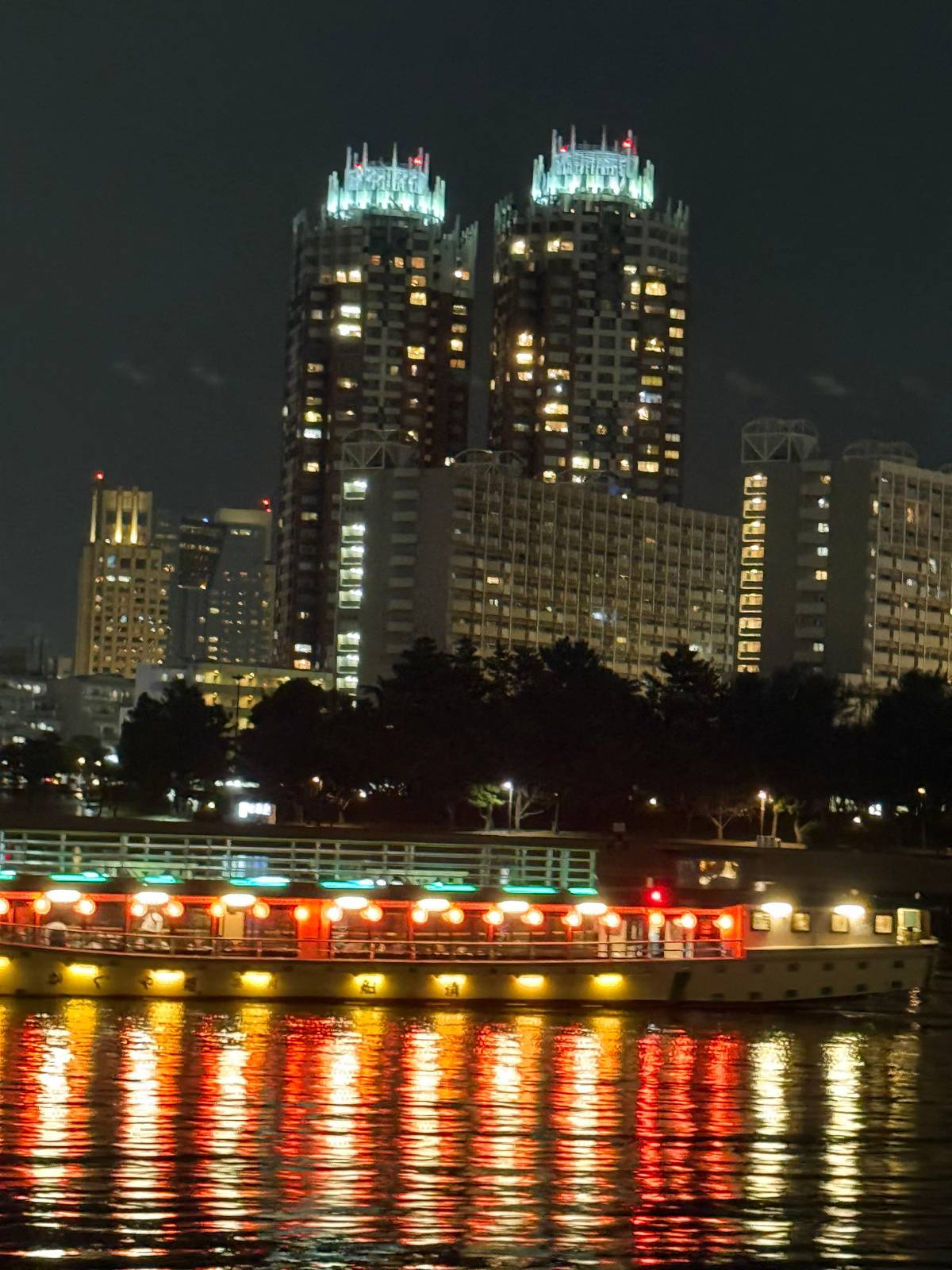
Tokyo Updates says many yakatabune converge near Odaiba as night sets in.20
A chartered boat
Larger groups can charter a whole yakatabune for themselves.21
Arashiyama in Kyoto
The Arashiyama boatmen move their boats with a single bamboo pole.22
A hori-gotatsu boat
Your legs rest in a well under the table.23
Their interiors feature a spacious living room with tatami flooring and low dining tables, in the style of medieval aristocratic Japanese houses.
The Sumida River and its bridges
Much of the Tokyo story happened on one river. Tokyo Updates calls the Sumida one of Tokyo's most significant waterways, a river that moved people and goods around the capital for centuries and appears in Edo-period woodblock prints.2425 Many of today's yakatabune cruises still follow it.24
The bridges you pass under are part of the story. The movable Kachidoki Bridge, completed in 1940, is an Important Cultural Property; the Eitai and Kiyosu bridges were built in the mid-1920s as Tokyo rebuilt after a major earthquake.2627 Eitai Bridge goes back to the late 1600s, when it was a timber crossing, and Kiyosu Bridge was modelled on a suspension bridge in Germany.28
After dark the bridges are lit, and Tokyo Updates describes one cruise dimming its cabin lights on the way back upstream so you can see them pass overhead.29 It is a quiet, slow view of a city you otherwise see from trains and crowded pavements.
Checklist
Words to know before you board
01
On board
- Tatami: the woven mat floor of the cabin
- Hori-gotatsu: a low table over a leg well
- Roof or sky deck: open when the boat stops
02
Booking
- Shared cruise: small parties together
- Charter: the whole boat for one group
- Reservations are generally needed
Video
Yakatabune (Japanese houseboat) / All you can eat and drink / Tokyo, Japan
Nothing is loaded from YouTube until you press play on the video.
The revival and today's dinner boats
The modern dinner boat is a recent revival. Japan Up Close dates it to the end of the Showa era, when the bubble economy was in full swing, and notes that yakatabune are now a popular choice for tourist and company dinner cruises on the Sumida River and Tokyo Bay.1019
The trade is organised. The Tokyo Yakatabune Association, licensed by the Kanto Transport Bureau of the transport ministry, is made up of 34 operators.5 Reservations are generally required: small groups of two or more book the scheduled shared cruises, while larger groups charter a boat, which can include karaoke and guest entertainers such as geisha and comedians.2130
Tokyo Updates even mentions a civic role: in the unlikely event that a disaster cut the bridges and transport, yakatabune could ferry people across the rivers.31 It is a reminder that these are working boats with licensed crews, not floating stage sets.
Inside a modern yakatabune
Today's boats share a layout but vary in size. Amitatsu, the operator of the cruise this site sells, lists a boat called Basara for 60 to 120 people, with hori-gotatsu seats, a sky roof deck and separate toilets for men and women, 30 m long with a 48-mat room.17 Its smaller 634 Musashi takes 20 to 60 guests at table seats.18
Hori-gotatsu is the seat that makes a long dinner comfortable: a low table with a space below for your legs.23 All five Harumiya vessels use it, and Funasei puts it on 6 of its 7 boats, with tables and chairs on the seventh.732 The very largest boats are big: Harumiya's Shirasagi holds 144 people.15
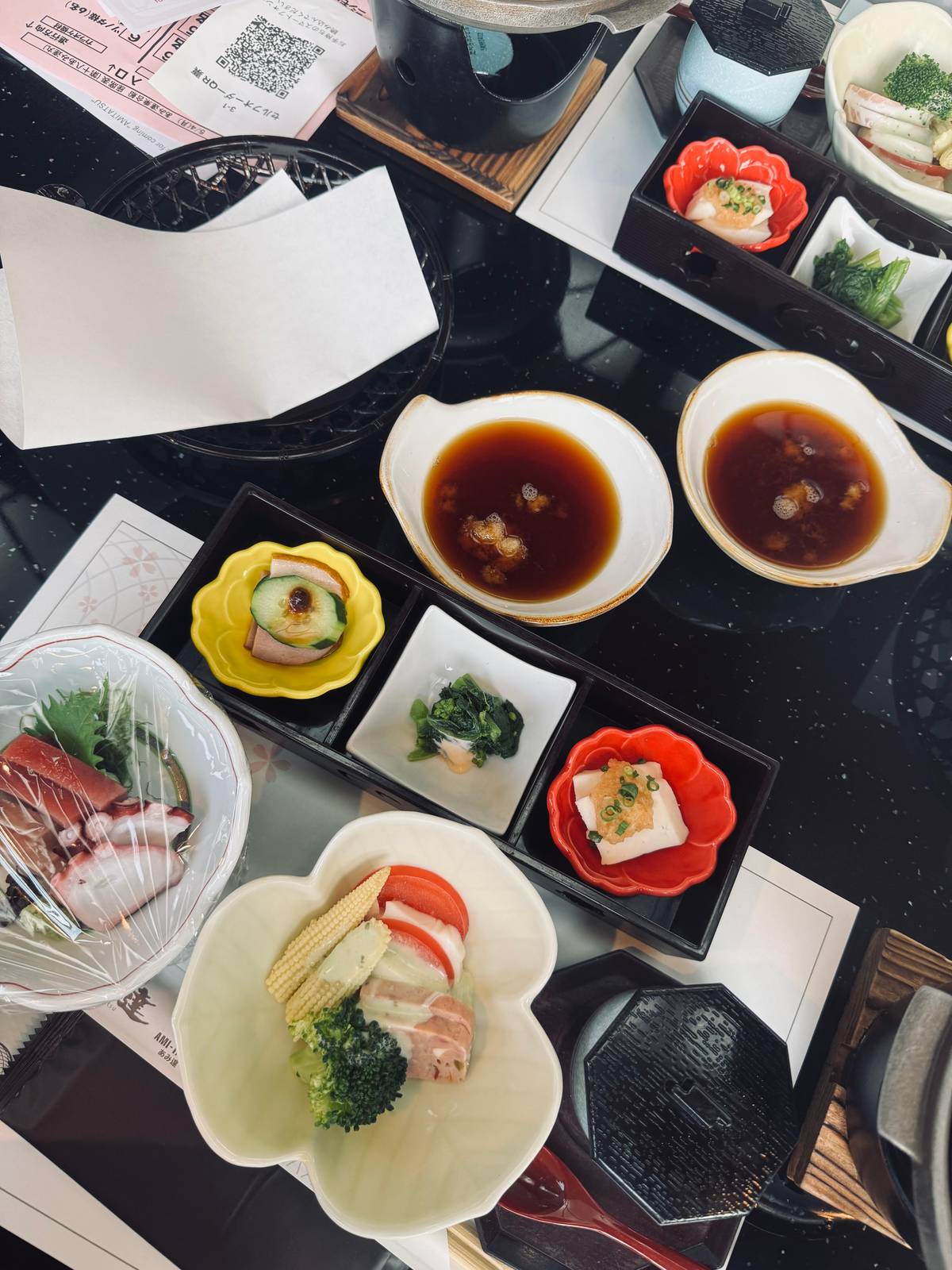
Expect a kitchen on board, because the fried food is cooked as you eat. Tokyo Updates describes freshly fried tempura brought piece by piece from the boat's kitchen as the highlight of a Harumiya dinner.33 On the cruise this site sells, the fare covers a full-course Japanese dinner of about 14 dishes and free-flow drinks.
Yakatabune, water bus or restaurant ship?
Tokyo's waterways carry very different kinds of boat, and they are easy to confuse when you search. The water bus is transport: Tokyo Cruise runs it between piers such as Asakusa and Odaiba all year, sells tickets on the day and makes all of its vessels wheelchair accessible.3435 You sit in rows, look out of big windows and get off at the next pier.
The restaurant ship is the big modern alternative. The Symphony ships sail from Hinode pier on lunch, afternoon, sunset and dinner cruises, on a route under both Rainbow Bridge and the Tokyo Gate Bridge.36 Their kitchens cook French, Italian and buffet menus, more like a hotel restaurant that floats.37
The yakatabune sits between the two in size but is the only one built around a Japanese room. You dine at low tables on tatami, often with hori-gotatsu leg wells, the food comes from a kitchen on board, and the evening is a shared party rather than a commute.42333 If the tatami cabin is what you are looking for, it is the boat to book.
Outside Tokyo and the houseboat ride today
The yakatabune is not only a Tokyo boat. At Arashiyama in Kyoto, Arashiyama Tsusen, founded by boatmen in 1912, still moves engineless yakatabune with a single bamboo pole, cruising about 1 km upstream from its pier.3822 In Yokohama, Hamashin runs dining yakatabune mainly in the port.39 A separate page covers both.
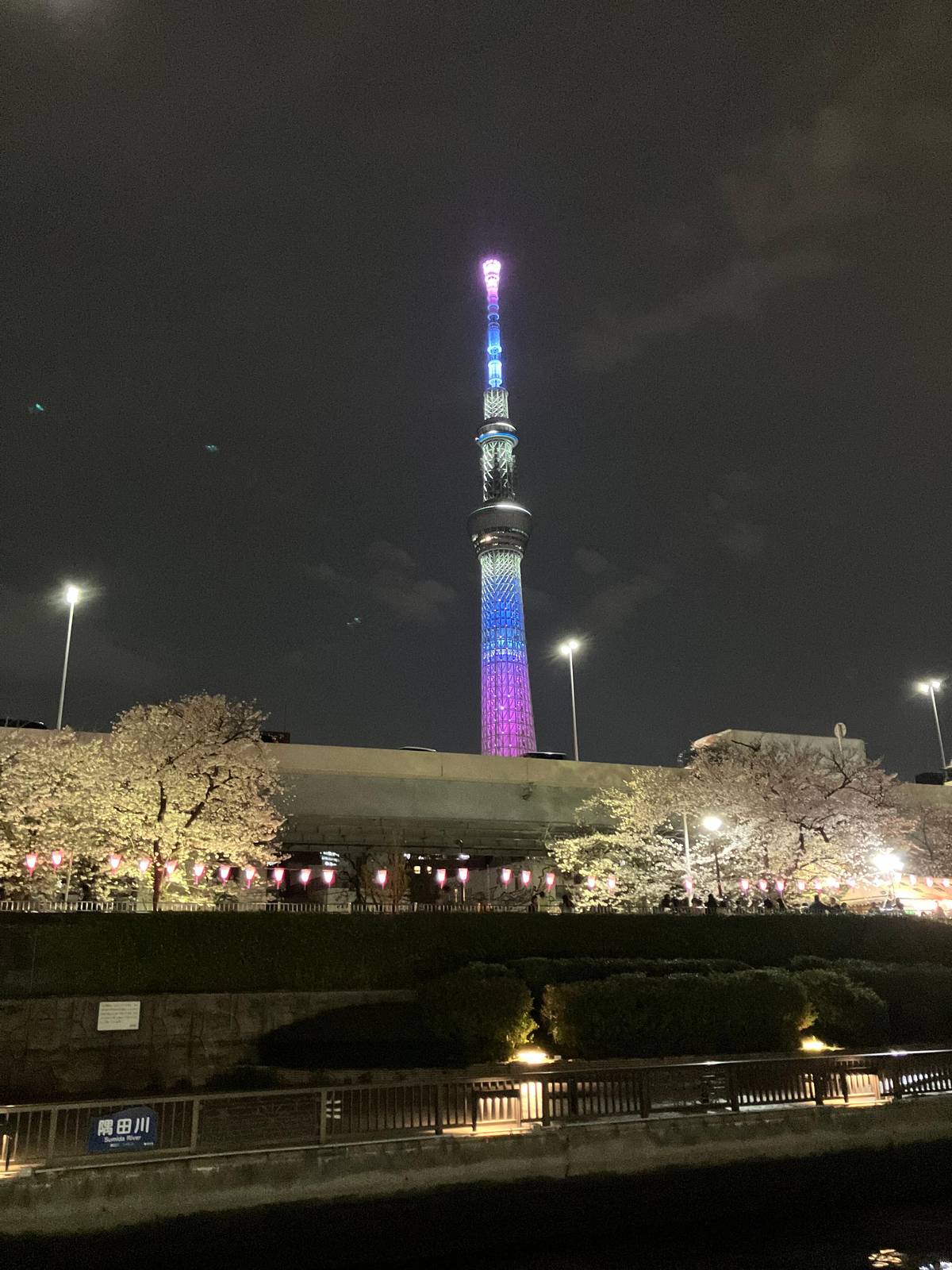
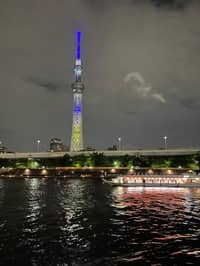
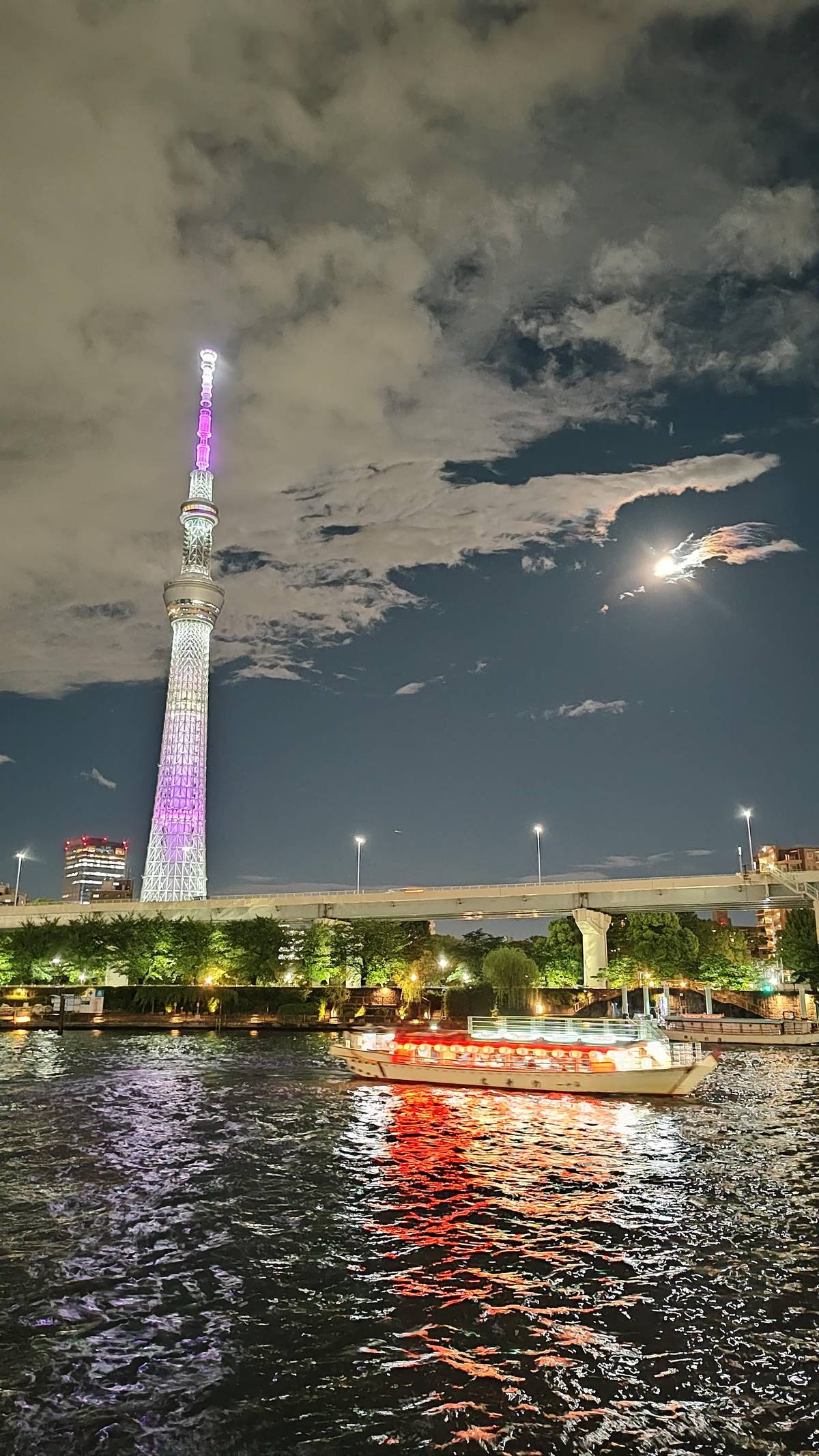
In Tokyo, the yakatabune houseboat ride this site sells is an evening one: a shared boat, a course dinner, drinks and a stop or two on deck. The cruise this site sells boards at Azumabashi across the river from Asakusa, runs 2.5 hours down the Sumida to Tokyo Bay, and stops for photos from the roof and at Tokyo Skytree.
Whichever boat you board, the shape of the evening would be familiar to an Edo merchant: food, drink, company and the city's lights on the water. The difference is that today anyone with a reservation can come along.
Your night on the river
Dinner, drinks and the lights of the Sumida.
Choose a date, board in Asakusa, and cancel free up to 10 days before.


You ask,we answer.
What does yakatabune mean?
Houseboat. Japan Up Close gives houseboats as the meaning of the Japanese word.1
How old is the yakatabune?
It goes back to the Heian period. Tokyo Updates dates the pleasure boats to the Heian period (794-1185).2
When were yakatabune most popular?
In the Edo period. Japan Up Close calls the Edo period (1603-1868) their golden age.3
Do you sit on the floor?
On tatami, but often with a leg well. Hori-gotatsu seating is a low table with a space below for your legs.23
How many operators are there in Tokyo?
34 in the association. The Tokyo Yakatabune Association is made up of 34 yakatabune operators.5
Can I hire a whole yakatabune?
Yes, as a group. Larger groups can charter a boat; small groups book the scheduled shared cruises.21
Is a yakatabune the same as a water bus?
No. A yakatabune is a pleasure boat for dining and sightseeing, not a scheduled ferry between piers.2
Sources
Evidence for this guide
- 1Japan Up Close (Government of Japan, web-japan.org)Cruising Tokyo Bay: The Pleasures of Yakatabune↩
- 2Tokyo Metropolitan Government (Tokyo Updates)Yakatabune: Enjoying Tokyo's Scenery with Traditional River Cruise↩
- 3Japan Up Close (Government of Japan, web-japan.org)Cruising Tokyo Bay: The Pleasures of Yakatabune↩
- 4Japan Up Close (Government of Japan, web-japan.org)Cruising Tokyo Bay: The Pleasures of Yakatabune↩
- 5Tokyo Metropolitan Government (Tokyo Updates)Yakatabune: Enjoying Tokyo's Scenery with Traditional River Cruise↩
- 6Amitatsu (operator)Yakatabune AMITATSU, English information↩
- 7Yakatabune Harumiya (operator)Traditional Japanese-style Cruising Restaurant HARUMIYA↩
- 8Arashiyama Tsusen (operator)History of the yakatabune and Arashiyama ukai↩
- 9Japan Up Close (Government of Japan, web-japan.org)Cruising Tokyo Bay: The Pleasures of Yakatabune↩
- 10Japan Up Close (Government of Japan, web-japan.org)Cruising Tokyo Bay: The Pleasures of Yakatabune↩
- 11Yakatabune Harumiya (operator)Traditional Japanese-style Cruising Restaurant HARUMIYA↩
- 12Yakatabune Harumiya (operator)Traditional Japanese-style Cruising Restaurant HARUMIYA↩
- 13Japan Up Close (Government of Japan, web-japan.org)Cruising Tokyo Bay: The Pleasures of Yakatabune↩
- 14Tokyo Metropolitan Government (Tokyo Updates)Yakatabune: Enjoying Tokyo's Scenery with Traditional River Cruise↩
- 15Tokyo Metropolitan Government (Tokyo Updates)Yakatabune: Enjoying Tokyo's Scenery with Traditional River Cruise↩
- 16Hamashin (operator)Japanese Houseboat Hamashin↩
- 17Amitatsu (operator)Yakatabune AMITATSU, English information↩
- 18Amitatsu (operator)Yakatabune AMITATSU, English information↩
- 19Japan Up Close (Government of Japan, web-japan.org)Cruising Tokyo Bay: The Pleasures of Yakatabune↩
- 20Tokyo Metropolitan Government (Tokyo Updates)Yakatabune: Enjoying Tokyo's Scenery with Traditional River Cruise↩
- 21Tokyo Metropolitan Government (Tokyo Updates)Yakatabune: Enjoying Tokyo's Scenery with Traditional River Cruise↩
- 22Arashiyama Tsusen (operator)History of the yakatabune and Arashiyama ukai↩
- 23Amitatsu (operator)Yakatabune AMITATSU, English information↩
- 24Tokyo Metropolitan Government (Tokyo Updates)Yakatabune: Enjoying Tokyo's Scenery with Traditional River Cruise↩
- 25Tokyo Metropolitan Government (Tokyo Updates)Yakatabune: Enjoying Tokyo's Scenery with Traditional River Cruise↩
- 26Tokyo Metropolitan Government (Tokyo Updates)Yakatabune: Enjoying Tokyo's Scenery with Traditional River Cruise↩
- 27Tokyo Metropolitan Government (Tokyo Updates)Yakatabune: Enjoying Tokyo's Scenery with Traditional River Cruise↩
- 28Tokyo Metropolitan Government (Tokyo Updates)Yakatabune: Enjoying Tokyo's Scenery with Traditional River Cruise↩
- 29Tokyo Metropolitan Government (Tokyo Updates)Yakatabune: Enjoying Tokyo's Scenery with Traditional River Cruise↩
- 30Tokyo Metropolitan Government (Tokyo Updates)Yakatabune: Enjoying Tokyo's Scenery with Traditional River Cruise↩
- 31Tokyo Metropolitan Government (Tokyo Updates)Yakatabune: Enjoying Tokyo's Scenery with Traditional River Cruise↩
- 32Funasei (operator)Funasei Yakatabune, English information↩
- 33Tokyo Metropolitan Government (Tokyo Updates)Yakatabune: Enjoying Tokyo's Scenery with Traditional River Cruise↩
- 34Tokyo Cruise Ship Co. (operator)FAQ↩
- 35Tokyo Cruise Ship Co. (operator)FAQ↩
- 36Sealine Tokyo (operator of the Symphony restaurant ships)Tokyo Bay cruising restaurant, official site↩
- 37Sealine Tokyo (operator of the Symphony restaurant ships)Tokyo Bay cruising restaurant, official site↩
- 38Arashiyama Tsusen (operator)History of the yakatabune and Arashiyama ukai↩
- 39Kanagawa Prefectural Tourism Association (Visit Kanagawa)Yakatabune Hamashin↩